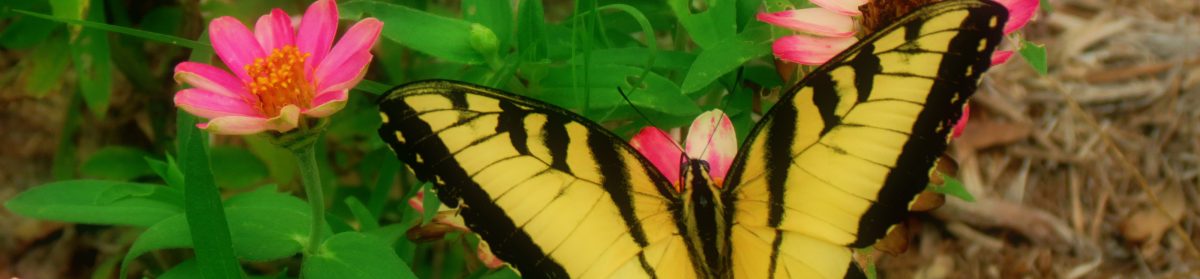
Most herbs are very easy to grow and they enrich our lives with their flowers, flavors and medicine. When harvesting herbs, you need to identify which part of the plant you need – the root, leaves, flowers or rhizome. Then you can decide when is the best time to harvest.
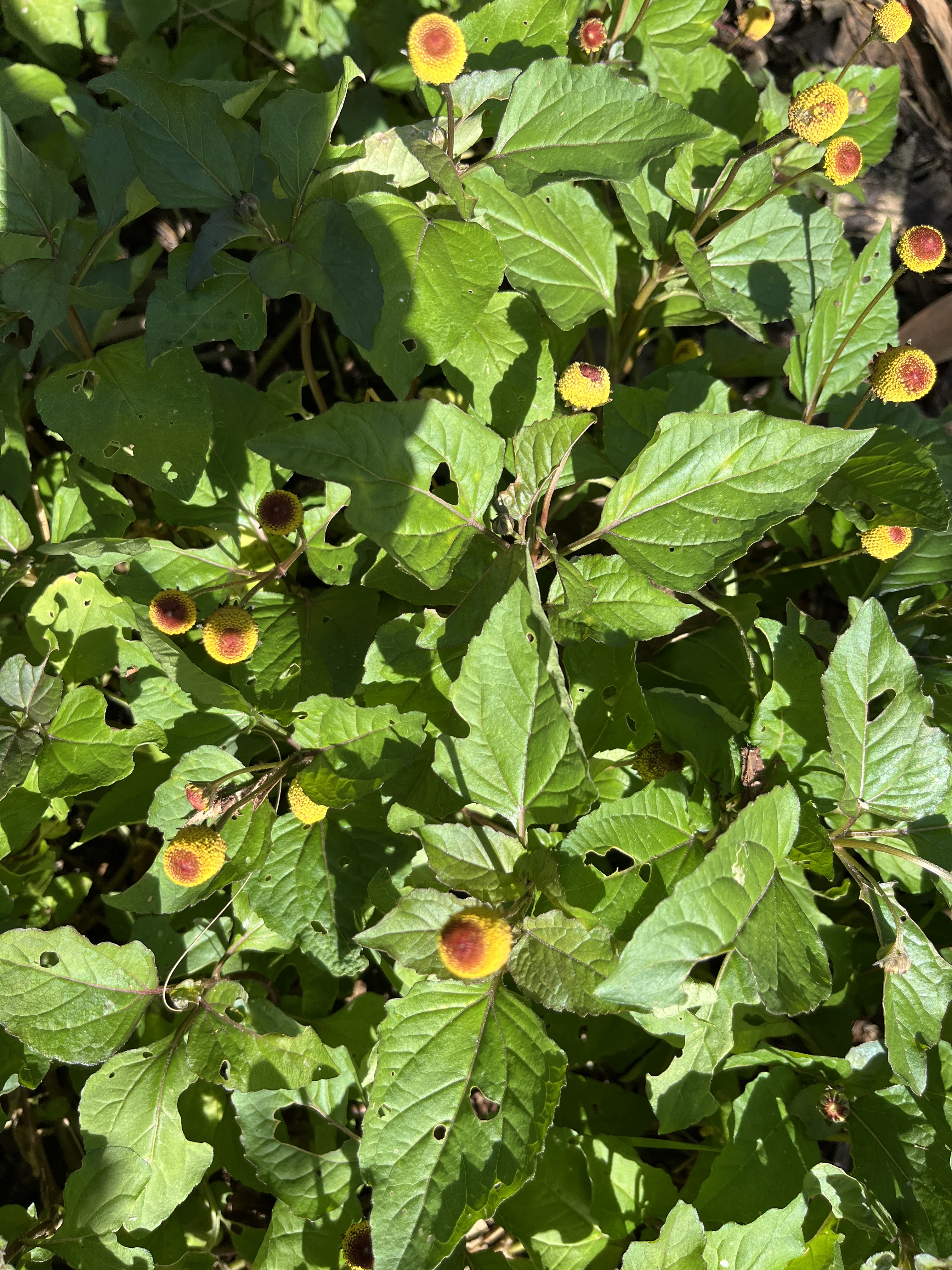
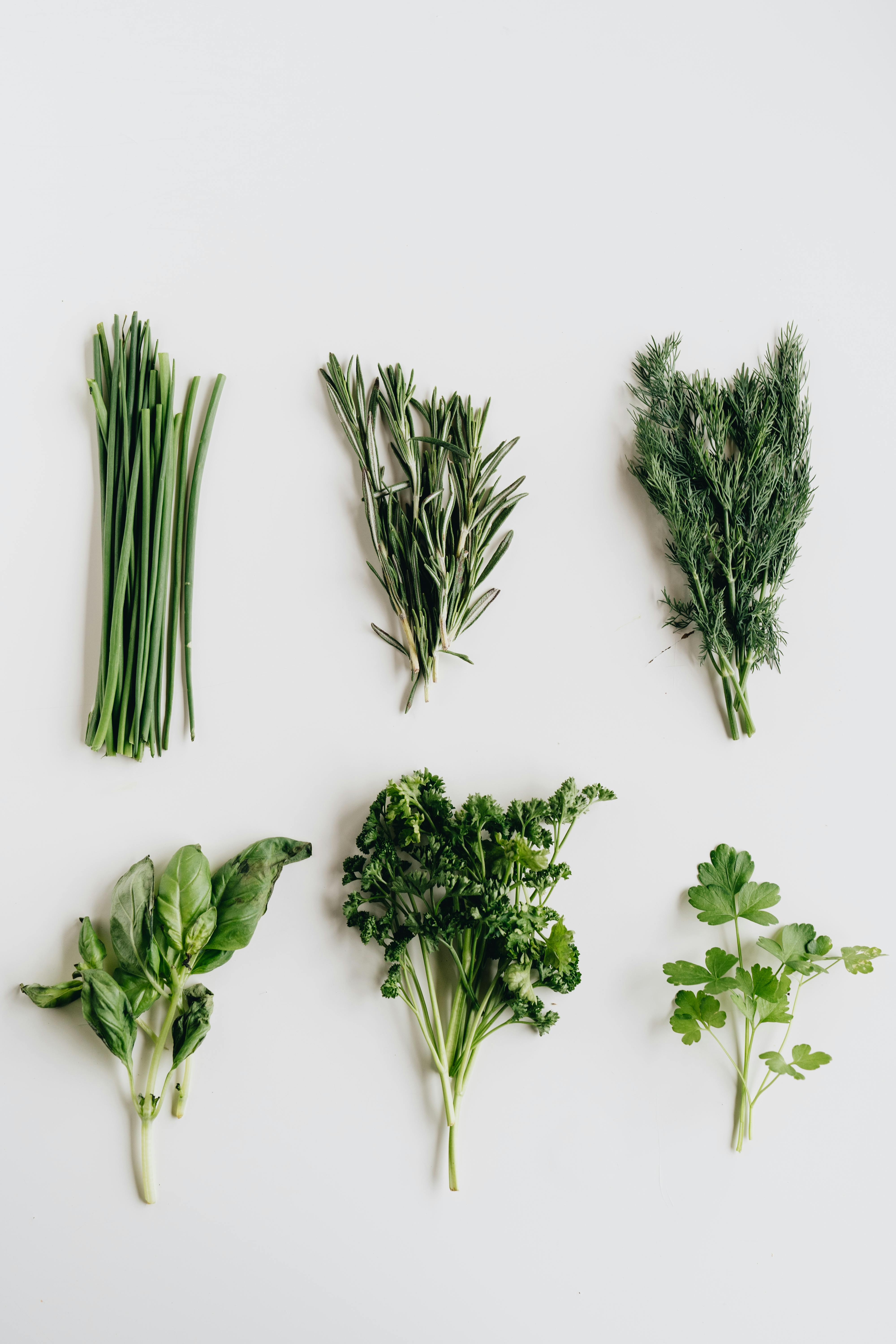
Herbs such as basil, thyme, mint and sage are best harvested when the flowers are about to open. That is when the oil content in the plant is at its peak. Flowering tops such as skullcap, golden rod, yarrow and hyssop are also best picked when the flowers are just about to open up.
The best time of day to pick flowers and leaves of herbs is in the morning after the dew has dried. Once harvested, be careful not to crush the fresh leaves or to leave them in the sun. You may use sharp scissors to cut at the base of the plant, and if the conditions are right, the plant will will regrow.

Drying Herbs
If your harvest is clean of bugs and dirt, there is no need to wash it. Pick through it to discard any discolored or damaged leaves or flowers. The point of drying is to eliminate the moisture in the plant quickly before it dies so it retains its properties when stored. You can dry them on a screen or some muslin cloth. Tie your herbs in loose bundles using rubber bands and hang them in an area that is warm, dry and shaded. They are dry when the leaves are crisp and snap rather than bend. It may take up to two weeks for some herbs to completely dry. Store in a clean glass jar rather than plastic. Label and date the plant. They do lose some of their potency over time.
Alternatives to Drying
There are a few other ways to preserve your herbs. Freezing, making ice cube herbs and infusing oil or vinegar with your herbs. Some herbs, like basil, are at their best when used fresh, so freezing will help the leaves retain their flavor. See the uploaded document for the best ways to preserve some of the types of herbs.
 Rotary Community Garden and Food Forest of Coral Springs