Grow More Greens – Micro Greens!

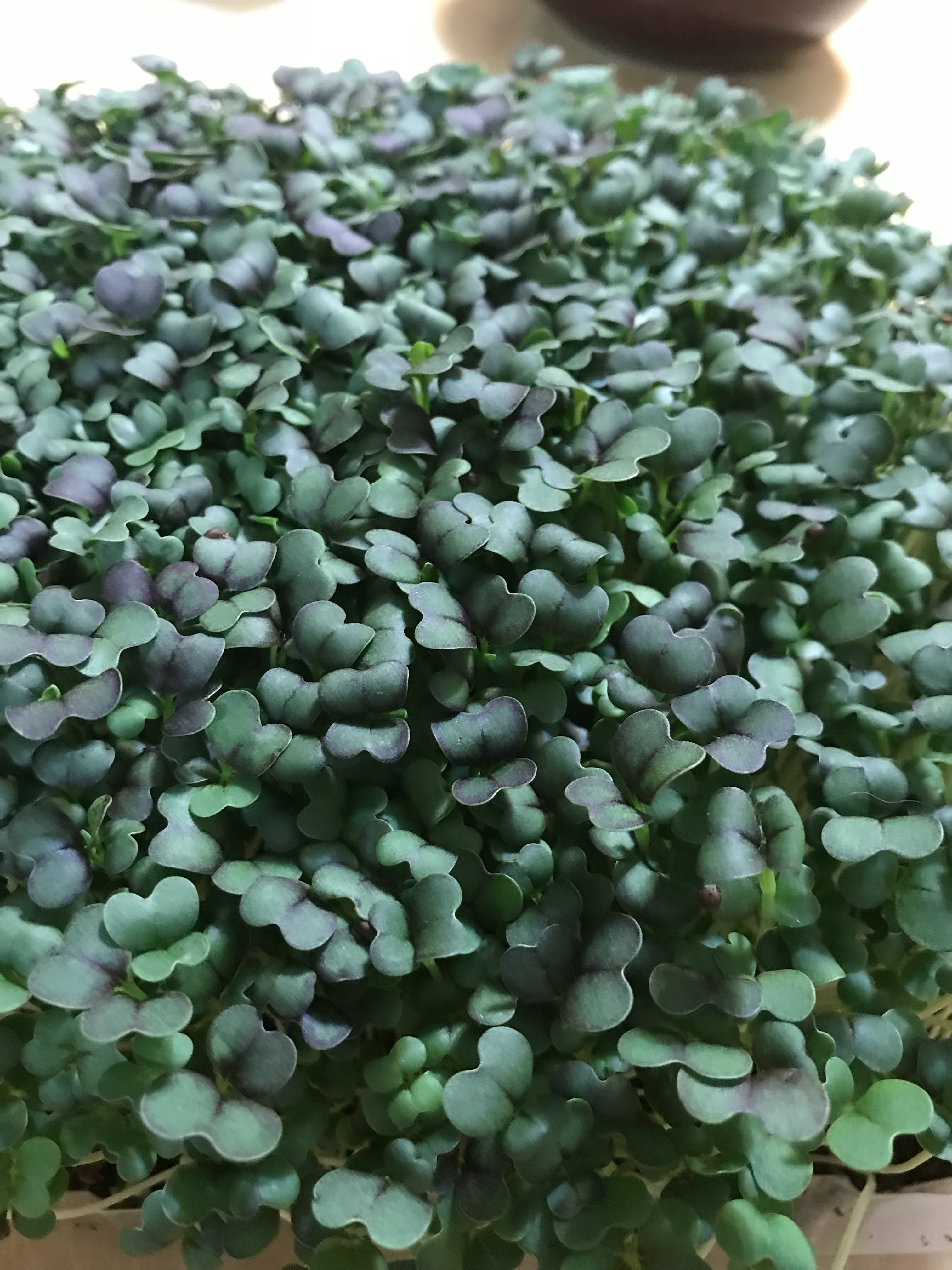
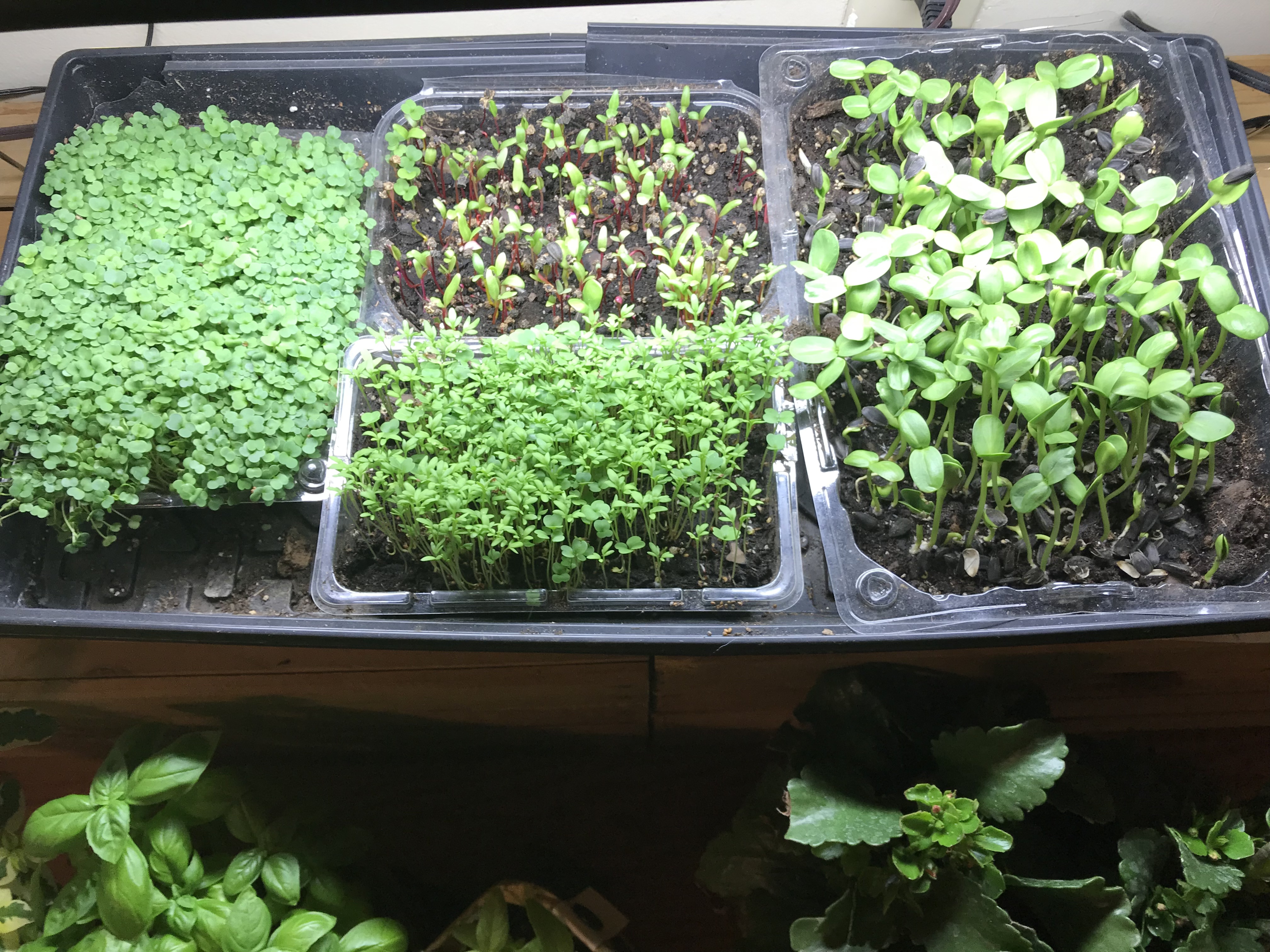
Why, you might ask. The top reason to grow micro greens is because they are so good for you! There are many varieties of micro greens, different flavors and colors, but they have two things in common. First, they have 4 to 40 times more nutrition than their mature counterparts. That’s right! Packed with vitamins and minerals that the body can easily use, when you eat micro greens you are helping your body stay healthy. Secondly, they are super easy to grow! Read more to find out.

Micro greens are a rich source of iron, zinc, magnesium, potassium, calcium, folate, manganese, and phosphorus. They are also full of antioxidants such as sulforaphane, polyphenols, and lutein. Sulforaphane is a powerful antioxidant that has been shown to have anti-inflammatory and anti-cancer properties. Polyphenols are a group of antioxidants that have been linked to a reduced risk of chronic diseases such as heart disease, diabetes, and cancer.

Micro greens are also a great source of fiber and protein. They are low in calories and high in nutrients, making them an ideal food for weight loss and overall health. Micro greens are also rich in vitamin C, vitamin A, and vitamin K. Vitamin C is an antioxidant that helps boost the immune system and promote healthy skin. Vitamin A is important for vision, immune function, and skin health. Vitamin K is essential for blood clotting and bone health. (Microgreen Starter, January 24,2025)

The fantastic thing about micro greens is how easy they are to grow! You can grow several varieties at once, or plant in succession so you always have some greens to harvest. Experiment with flavors and try something new. Download the growing guide below to begin.

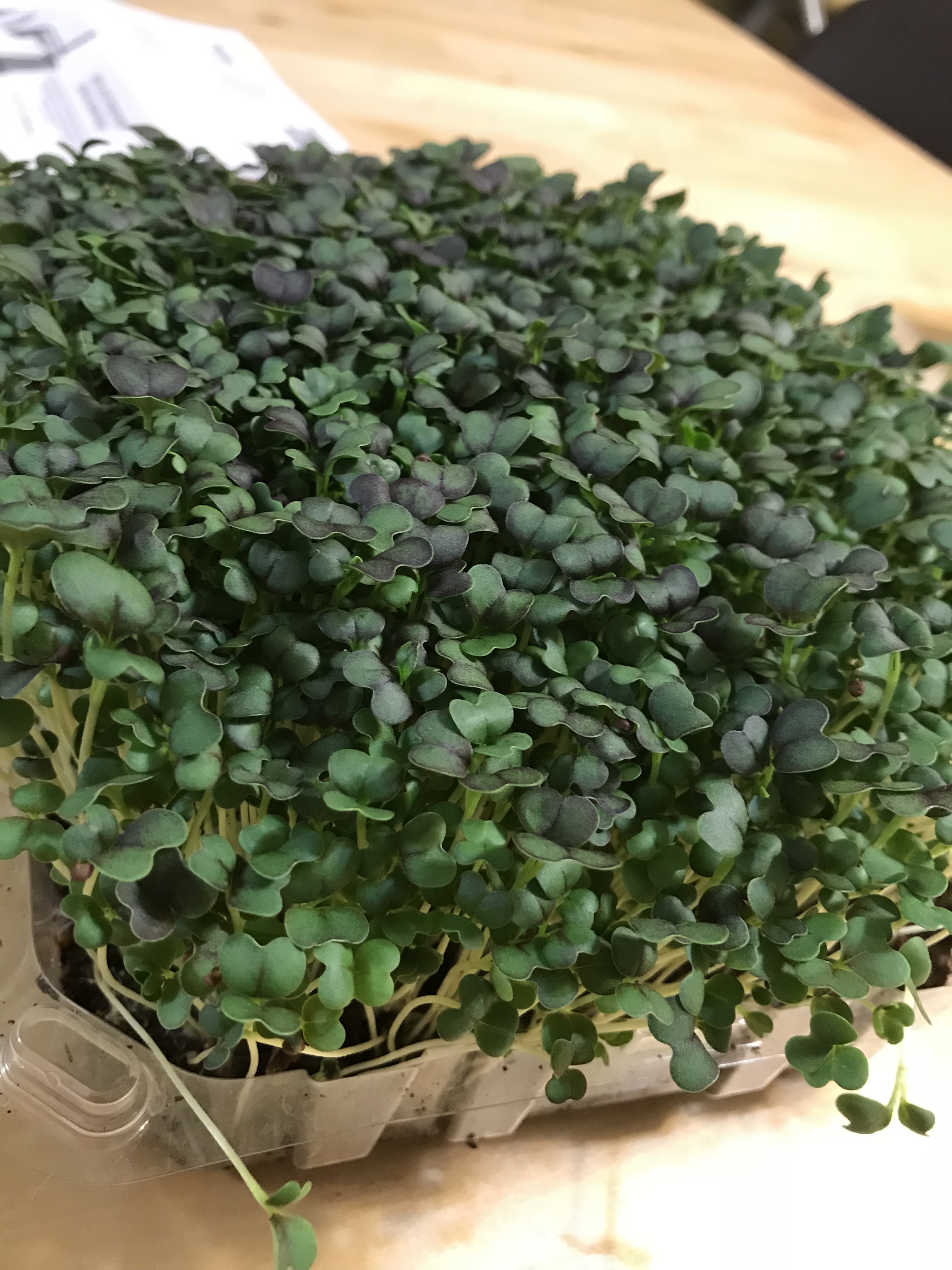
How To Grow Microgreens

Websites for More Information

https://trueleafmarket.com/pages/growing-microgreens-starter-guide

https://feastandfield.net/read/fruits-and-vegetables/microgreens-are-a-superfood-fad-here-to-stay/article_59fbf19e-9e2f-11eb-90fa-df297510b6c9.html

https://www.johnnyseeds.com/vegetables/microgreens/

A Bountiful Harvest!

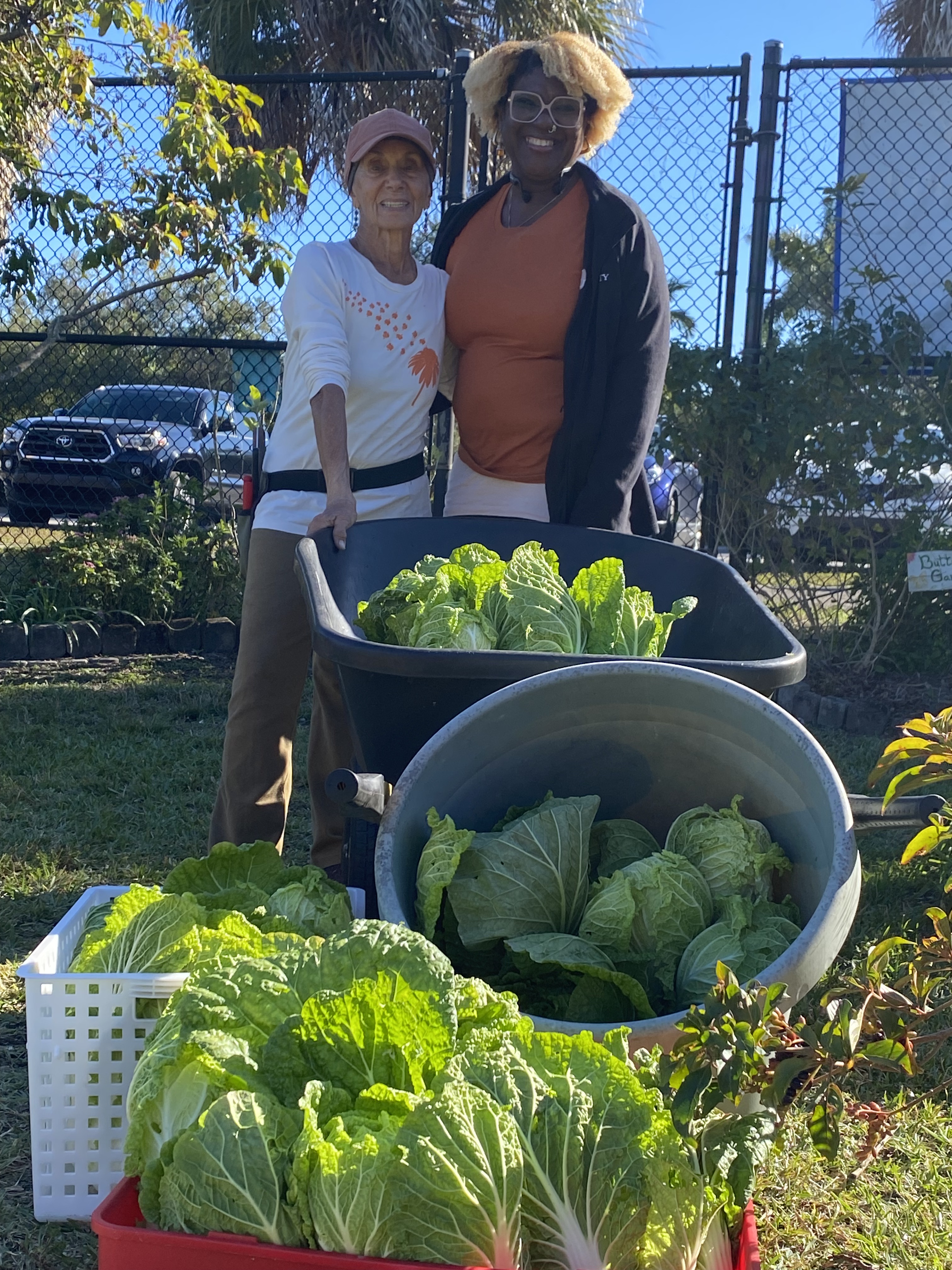
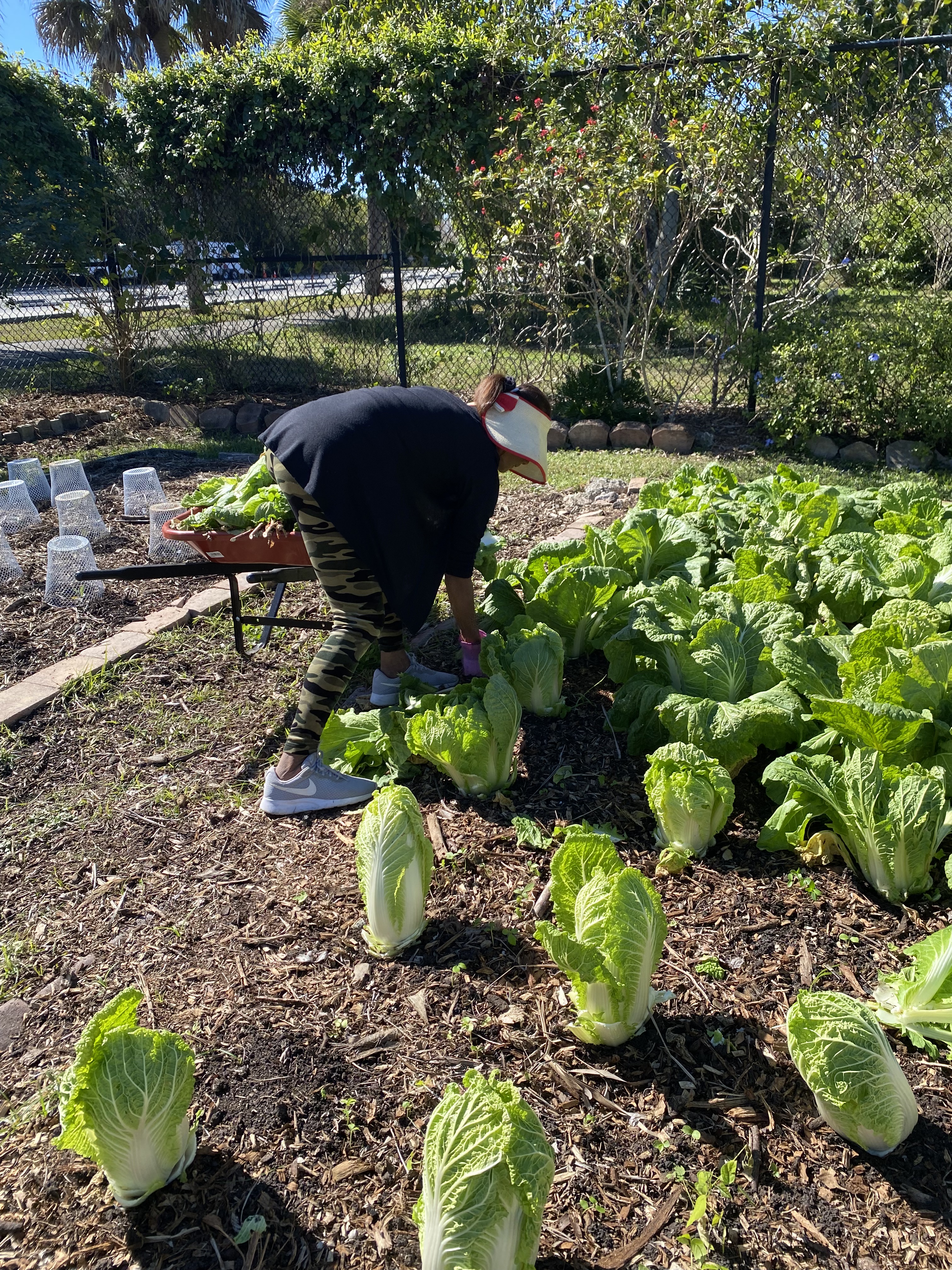
Just recently the garden acquired a scale to measure our donation output. On January 2nd Satya and volunteers harvested 29 heads of Chinese cabbage and 1 head of mustard greens for a total of 70 pounds of produce donated to the food pantry. Then on Thursday, Satya and Olivia harvested and weighed 32 heads of cabbage for a total of 94 pounds! This is a great service to the community and a labor of love from our gardeners! Thank you Satya for leading the way!

Margaret trimming the cabbages

Regenerative Garden Amendment Part 2 – Lactic Acid Bacteria

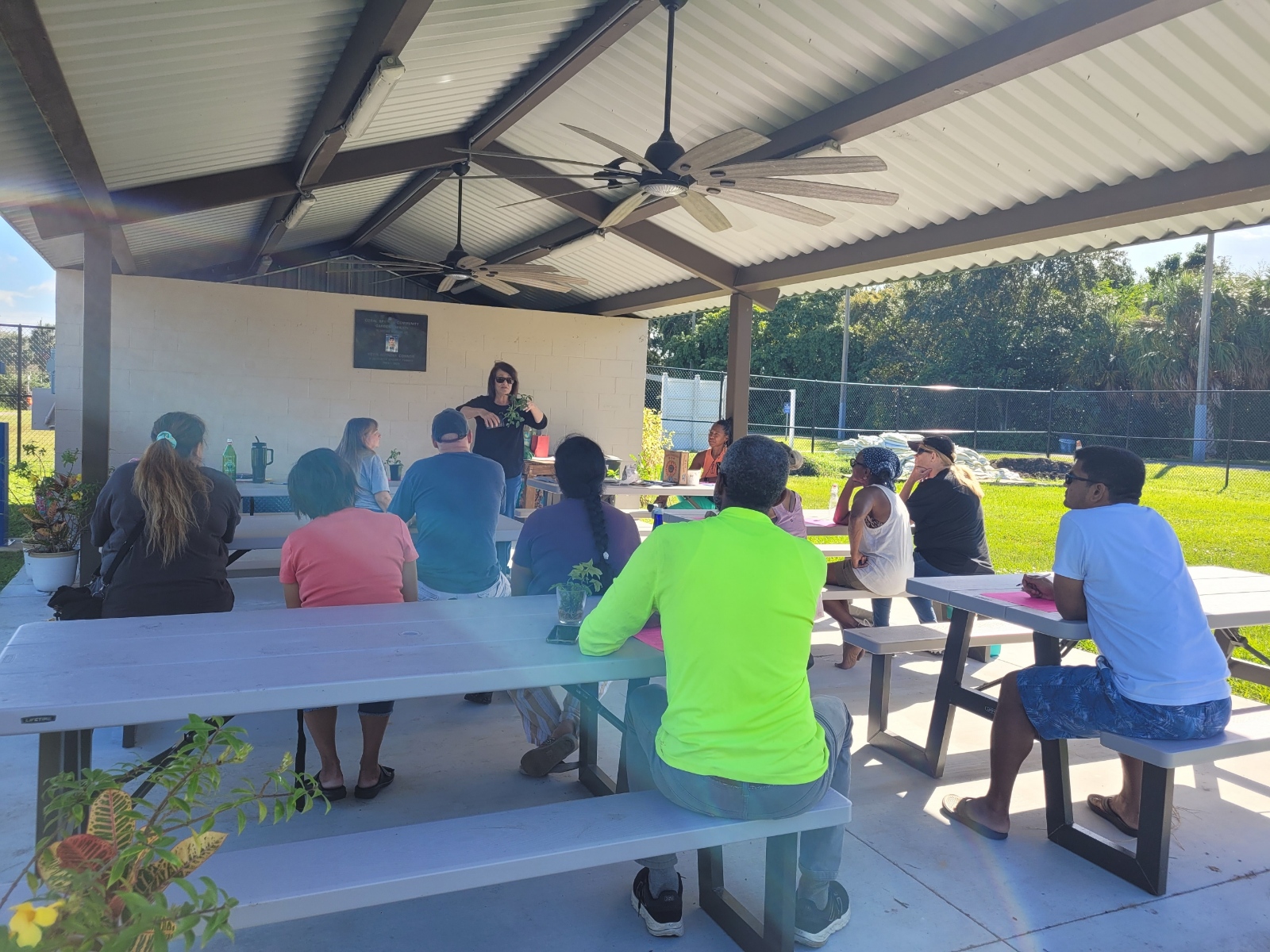
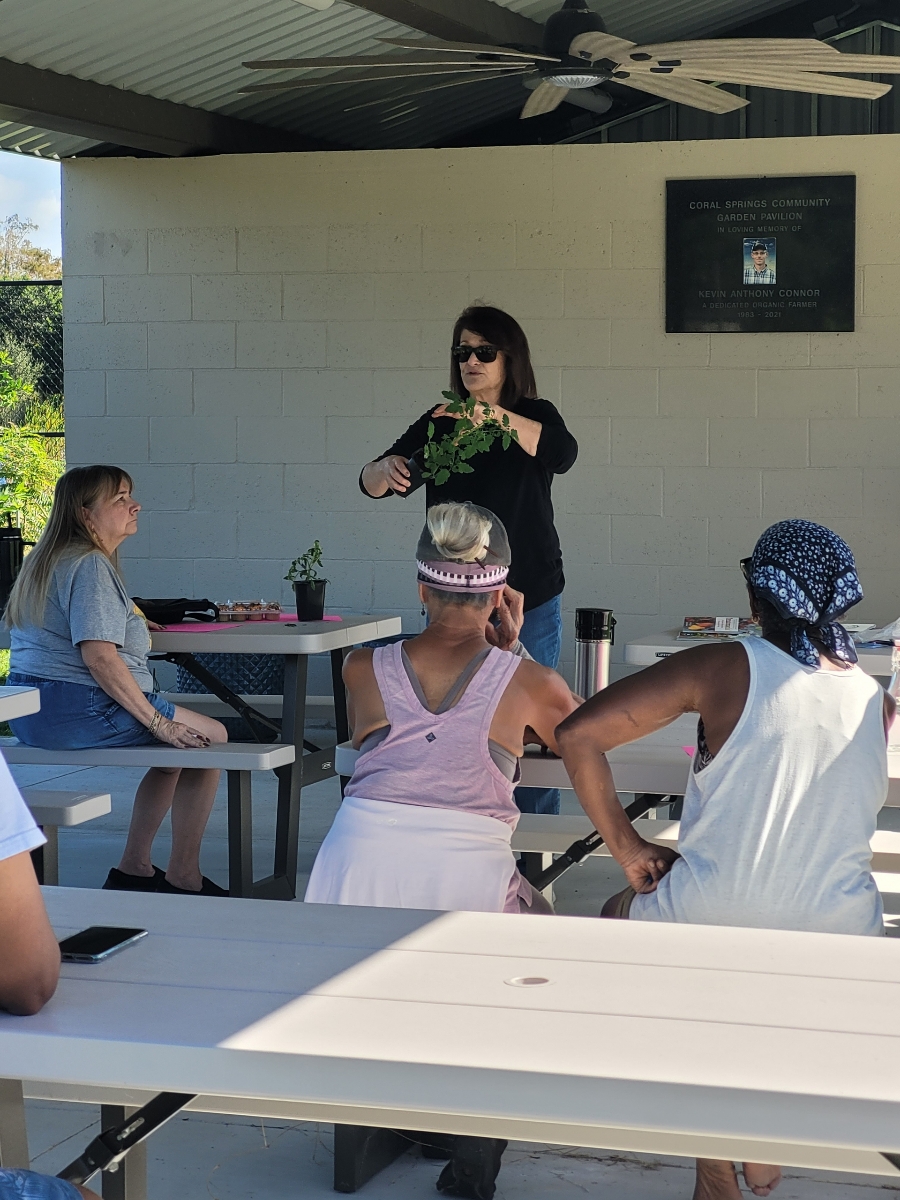
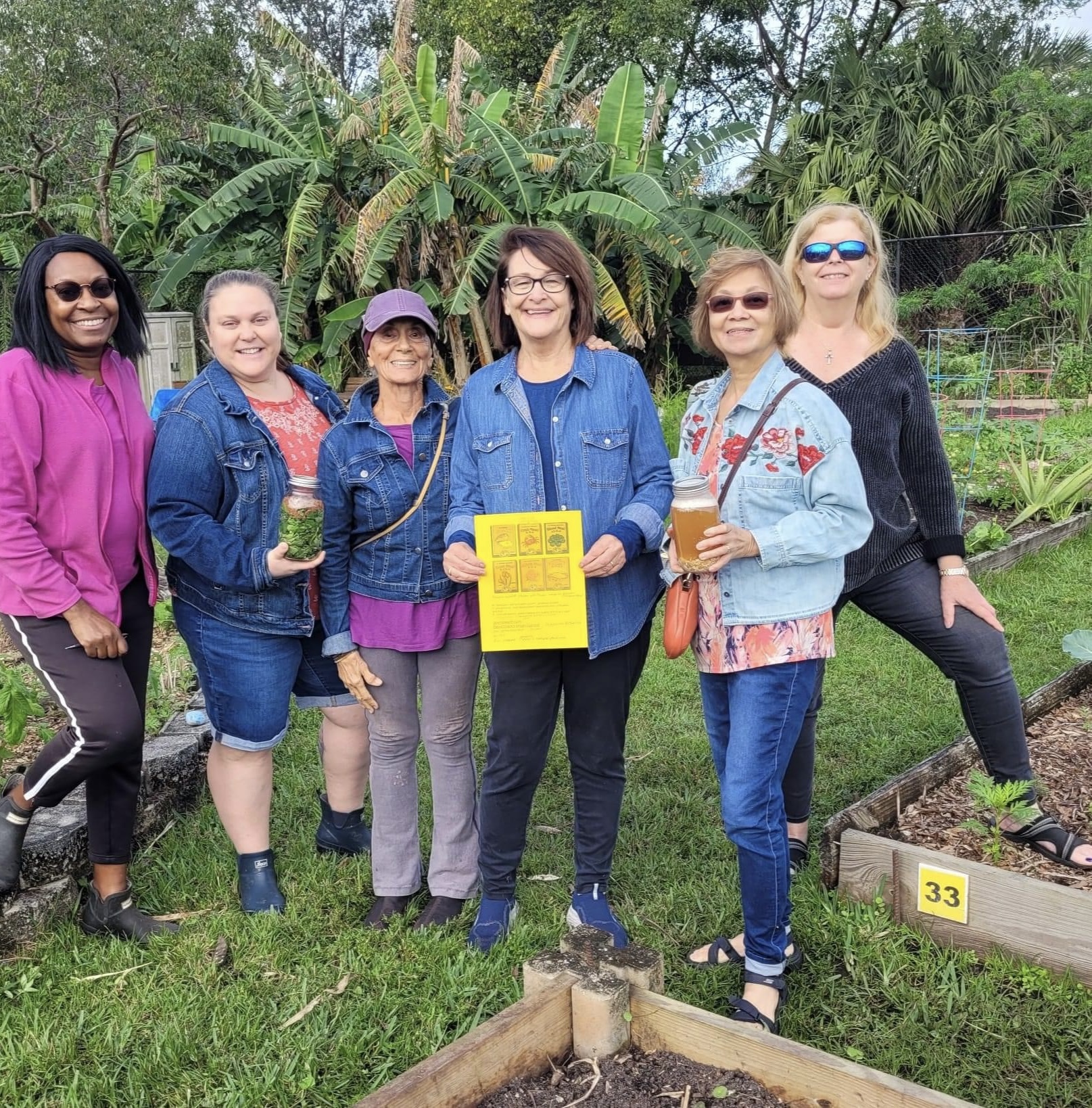
Saturday, December 21st was a beautiful day to be in the garden. The summer heat has gone but the the sun was shining and the plants are growing so fast you can almost see it! Gardeners gathered in the pavilion to learn about a simple to make, but extremely beneficial amendment from lactic acid bacteria. Everyone brought a jar to take home the liquid base to make their own supply. The recipe is attached below. Apply it as a soil drench or use as a foliar spray.

Rainbow over the Food Forest last week

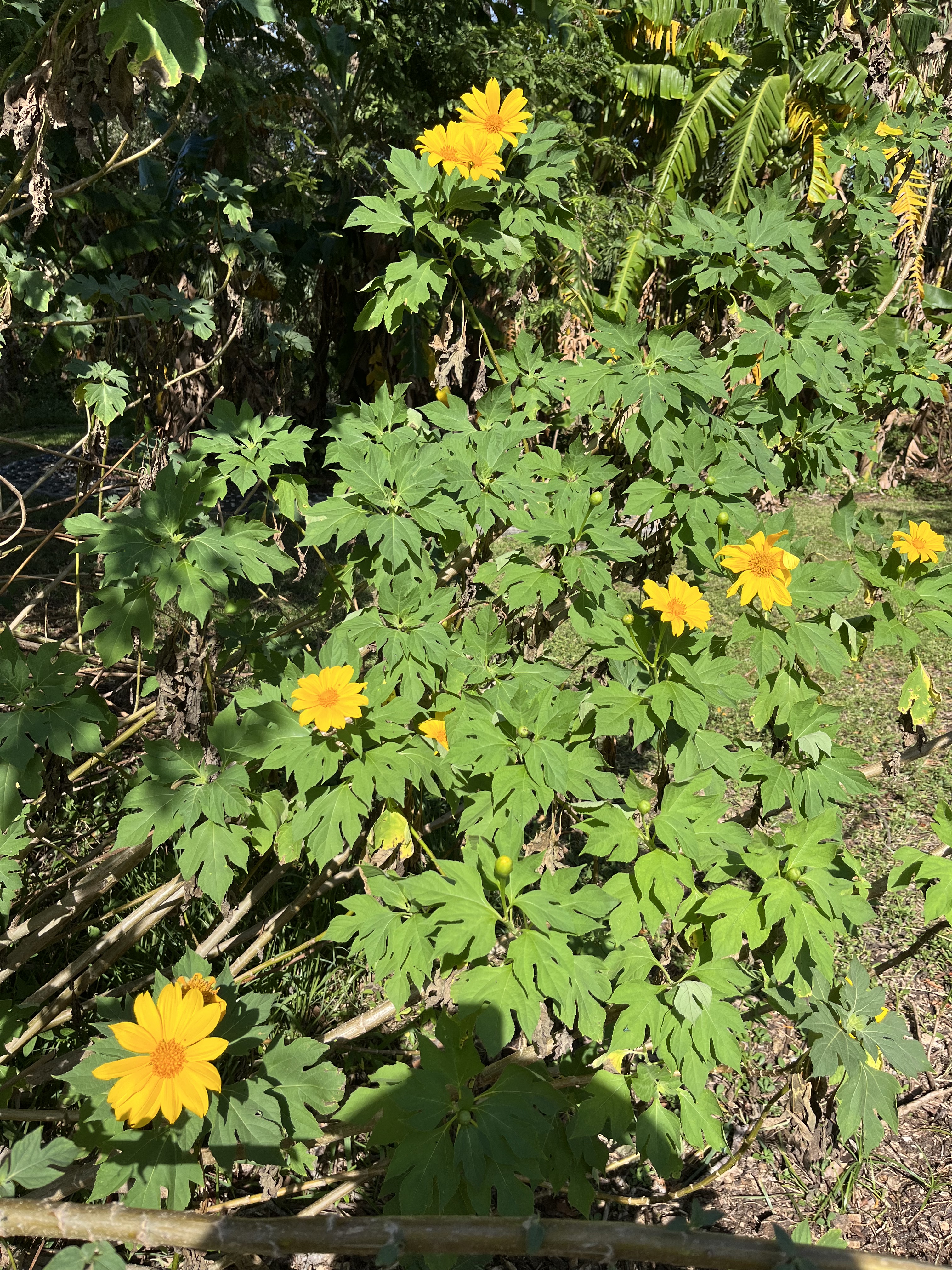
Giant Mexican Sunflowers

Gardeners have noticed that the Giant Mexican Sunflowers (Tithonia diversifolia) in the Food Forest have been cut back after blooming. The beautiful yellow flowers appear in the fall and attract many beneficial insects. There are several reasons why these plants occupy a central location in the Food Forest. These sunflowers are fast growing perennial that can be cut back a few times a year. They can grow very tall – 12 feet – and are great “biomass” plants. The leaves and stems can be used as mulch, although the stems should be dried first as they can root where they touch the ground. Since it has a high nitrogen content, it can be used for compost production.

Tips for Growing Tomatoes

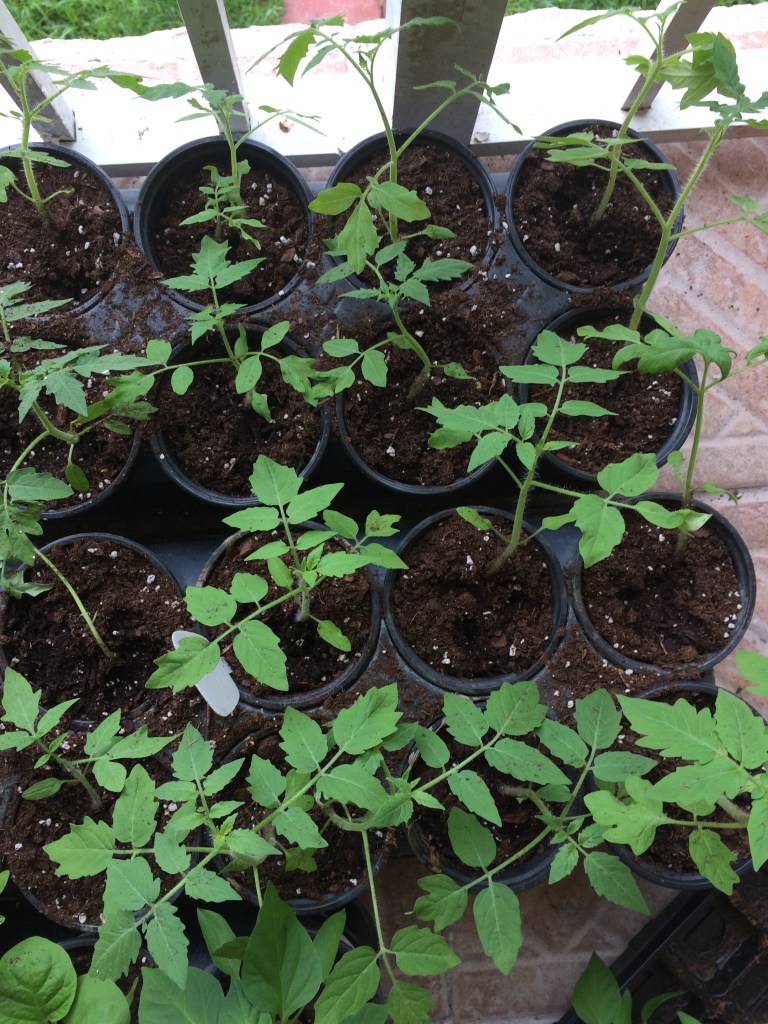
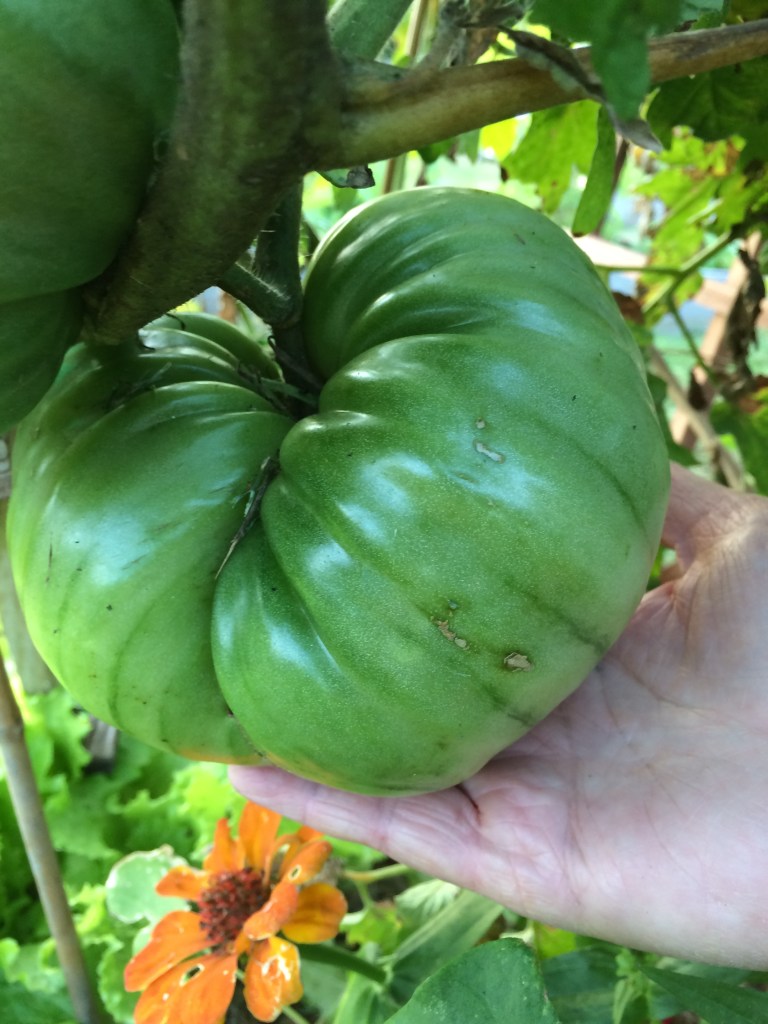
That’s me! I love to grow tomatoes and give to my friends! When I moved from New York to Florida, the first thing I did was plant some tomatoes in my yard for the summer. Big mistake! The summer heat and rains really damaged the plants and I realized that Florida is on a different planting calendar. Over the years I have learned some things that have helped me be successful growing tomatoes that I would like to share with everyone. Our garden class on growing tomatoes was held on Saturday, November 16th. The following handouts were shared as well as tomato seeds, zinnia seeds, and a couple of tomato plants were raffled.

All the tips for growing tomatoes are included in the document below that can be downloaded and shared with friends. A couple of tomato plants, lots of tomato seeds and also some zinnia seeds were given away. Tomato lovers were happy!

Come Join Our Gardening Classes!

Community Garden members have proposed a list of gardening classes based on the needs and interests of the gardeners. Each class takes place from 10:00 – 11:00 on the 3rd Saturday each month. They are designed to be Make and Take – participants will not only enhance their gardening knowledge, but also receive something that can be used in their garden. Here is the current schedule:

October 19 – Companion Planting

November 16 – Growing tomatoes successfully

December 14 – Regenerative garden amendments

January 18 – Growing microgreens

February 15 – Preserving your veggie

March 15 – Medicinal plants and herbal teas

May 17 – Summer Crops

Companion Planting

The first garden class of the season took place on Saturday, October 19th. Many gardeners are interested in the practice of companion planting or interplanting as some call it now. Most of the information about companion planting is anecdotal but there have been some studies about it and the results are included in the following file. A great resource about this topic is the book, Great Garden Companions by Sally Jean Cunningham. Not only is interplanting a way to keep your garden plants healthy, but it adds beauty and plants for pollinators!

Finally, a recommended plan for planting your garden with plant friends. Happy planting!

September’s Volunteer Work Day

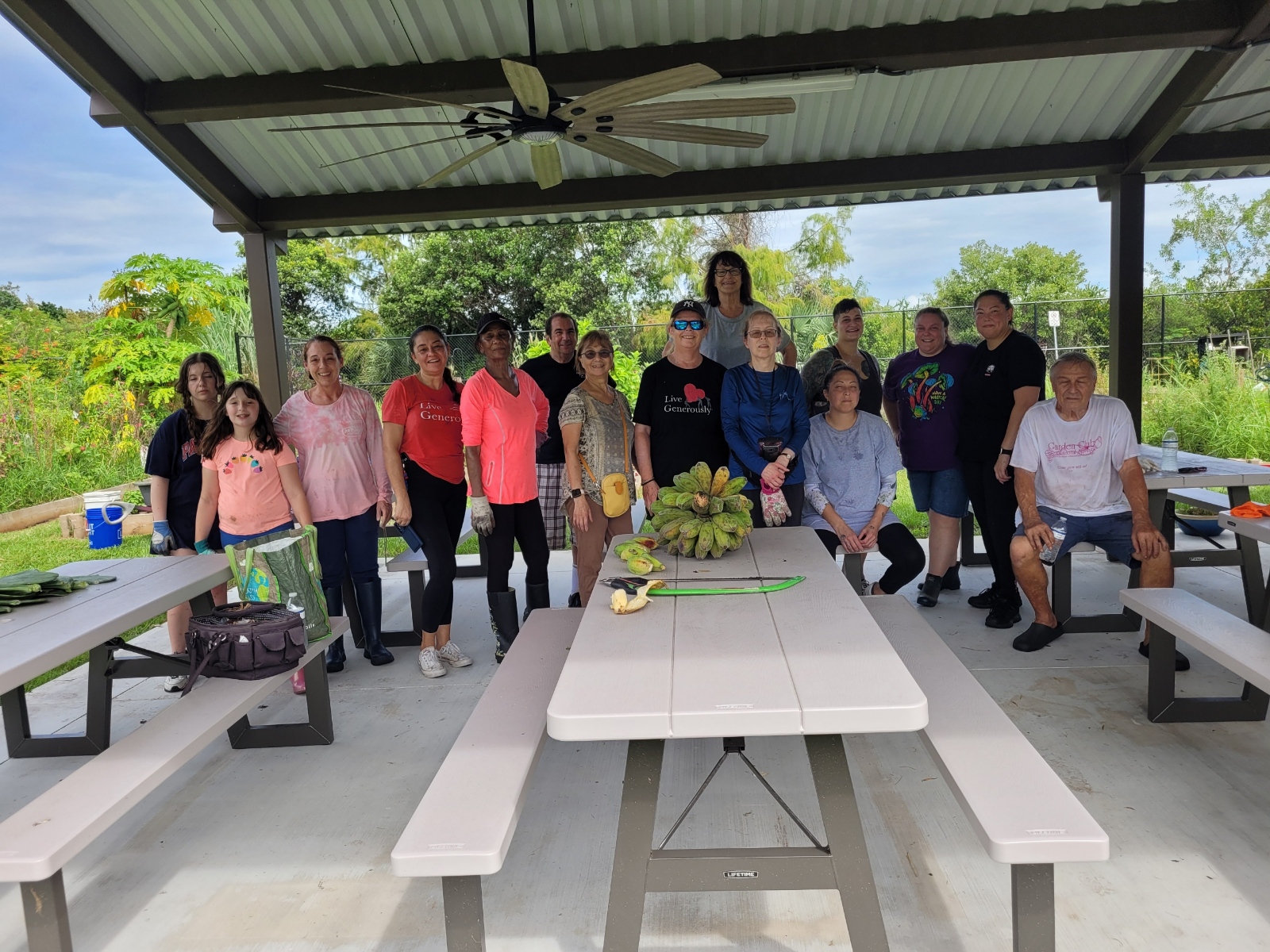
Thanks to everyone who was able to come out for our first official work day for the new growing season! Even though the weather was still a bit hot and muggy, gardeners and volunteers were weeding, mulching and planting.

Three groups of gardeners also participated in an orientation that reviewed some the use of the hoses, tools, compost areas and gate locks. With everyone’s help the garden will be well maintained. It’s going to be an awesome year for growing!

Medicinal Garden

When the garden expanded last October, plans were made to create a medicinal section. People have used plants for thousands of years to treat mild ailments and support their general health. Below you will see photos of the garden’s first efforts to grow medicinal plants in our south Florida climate. At the center is a Miracle Fruit tree. When the berries of the tree are eaten, everything eaten afterwards tastes sweet, even lemons! Some of these medicinal plants may survive the summer weather, whereas others will be planted like annuals during our fall/winter/spring season. Included in this first planting are a variety of bee balms, holy basil, mugwort, motherwort, marshmallow, yarrow, stinging nettle and plantago. Future plantings will include chamomile, elecampane, feverfew and more! Most of these plants can be used to make teas and tinctures that support your body’s healing processes. Future classes at the community garden will include directions on how to make, store and use some medicinal plants.

New! Improved! Free Little Seed Library

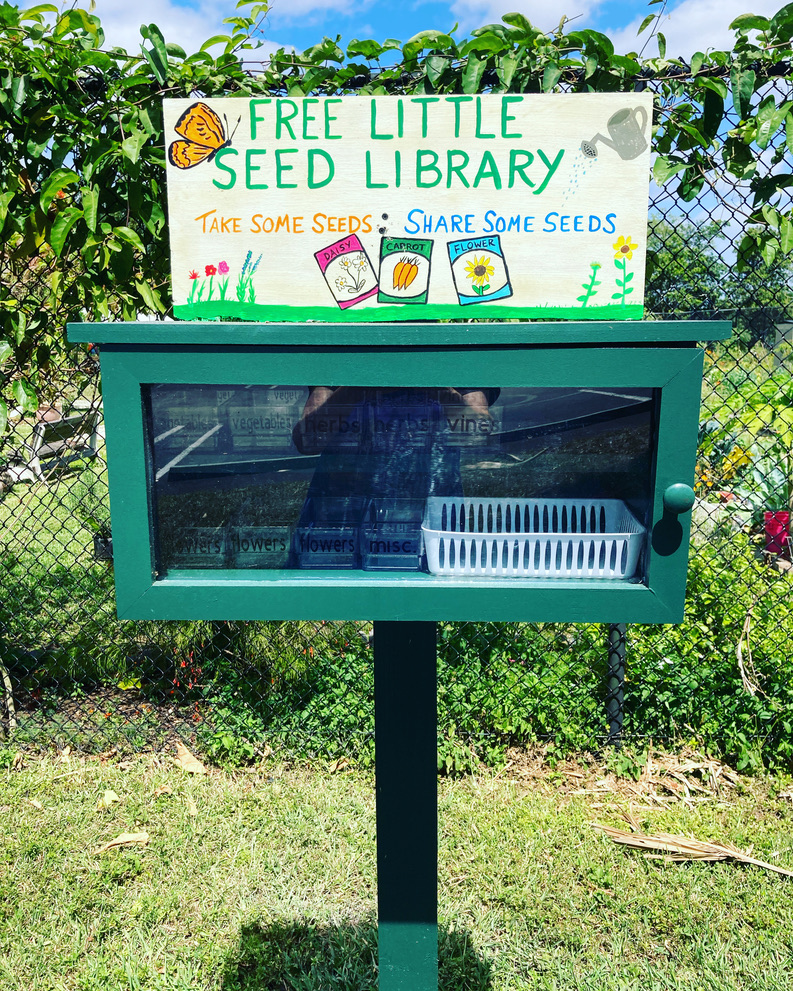
Free little seed libraries have popped up across the country as more people became interested in home gardening during Covid. The Coral Springs Community Garden wanted to share seeds with others and loved the idea! This Free Little Seed Library was installed a couple of years ago and many people in the neighborhood benefited from the seeds being shared by our garden members. However, the door broke a few times and the seeds were not being protected from the weather.

The Old Version


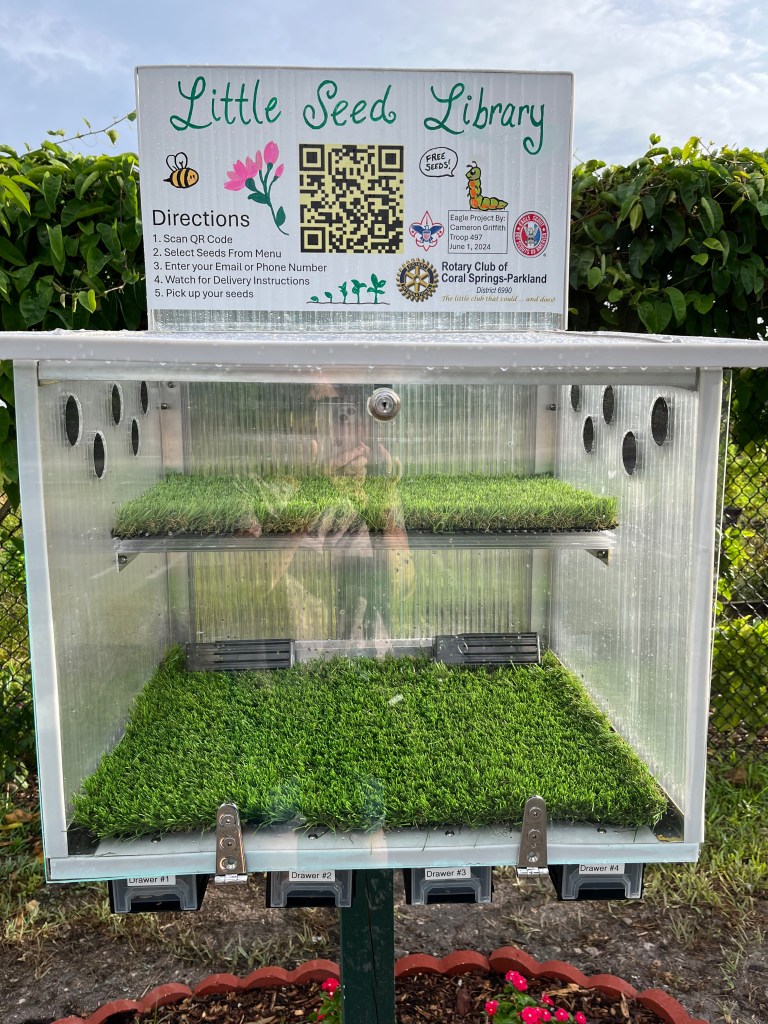
The New Improved Version!

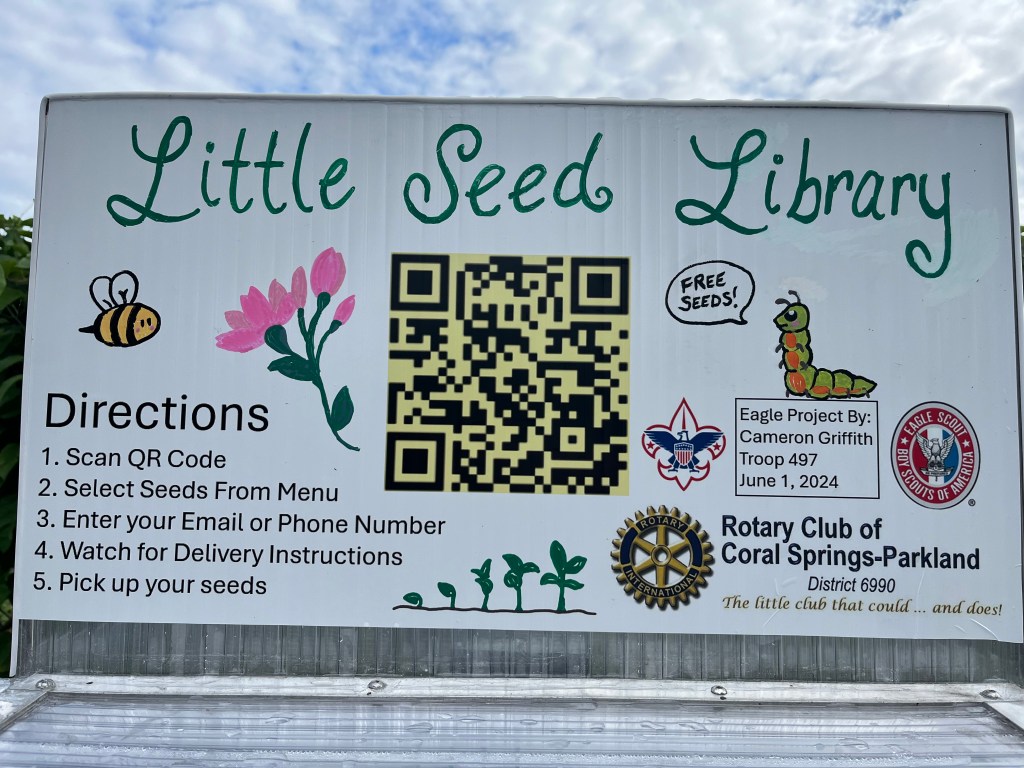
Thanks to the efforts of Master Gardener Olivia Cleary and Eagle Scout Cameron Griffith, we are happy to announce the installation of the next generation in seed libraries! Cameron and a few friends from Scout Troop 497 worked hard in the extreme heat to install the library. The sign above gives clear directions about how to receive seeds. Scan the QR code with your phone camera and follow the directions. There are 4 drawers below the library where people can share extra seeds with others.

Thank you Cameron and Olivia and Troop 497! You made something special for the gardeners!