Introduction to Herbal Infusions

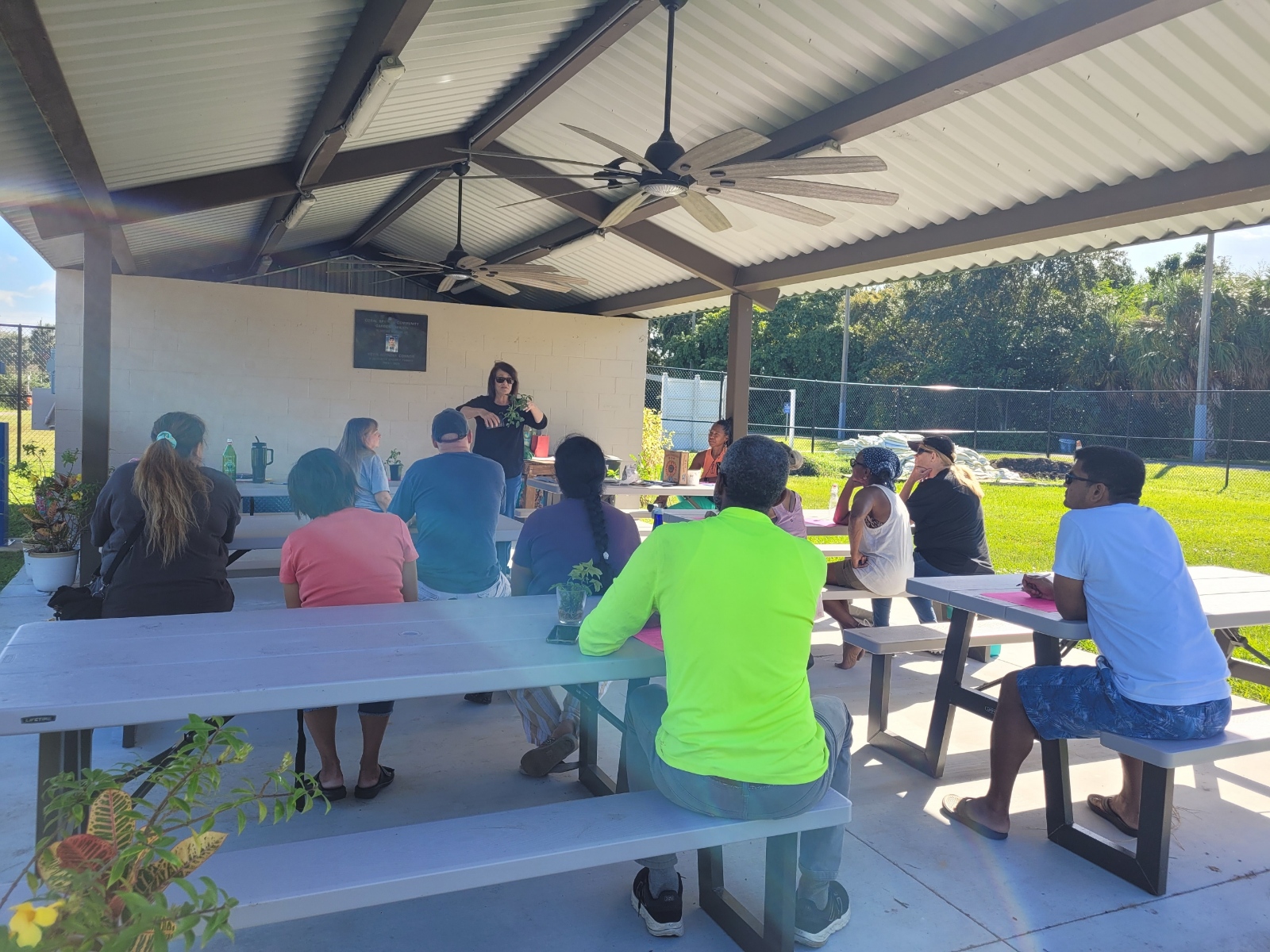
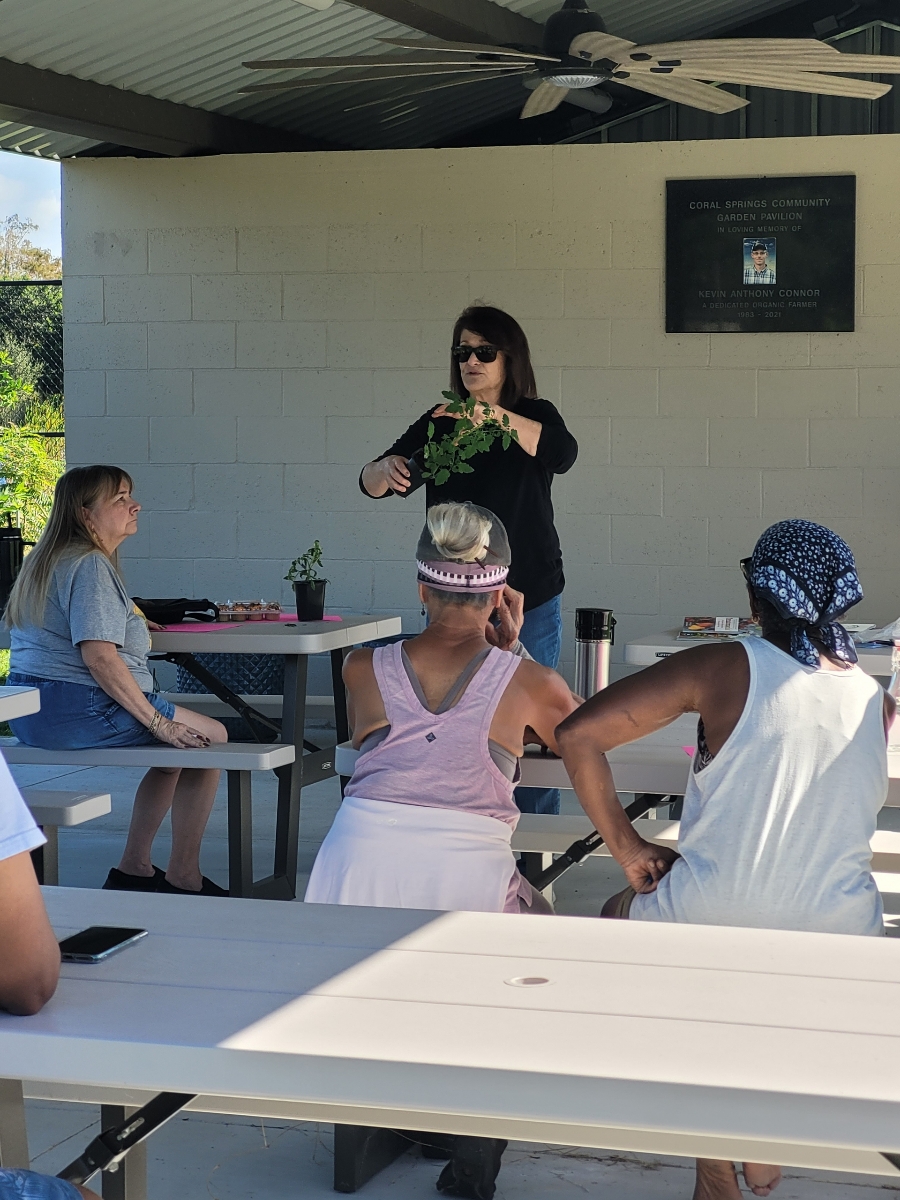
Saturday, March 15th, a class was held under the pavilion to learn about the benefits of making herbal teas from plants in the garden. Besides learning about the benefits of individual plants, gardeners were able to participate in a “tea tasting.” A tea made from one herb is called a “simple.” Making a simple tea allows you to discover the flavor and effect the tea has on you. Experimenting with that tea is called “simpling.” Making hot or cold infusions, testing the potency when it is steeped longer, or blending with another tea.

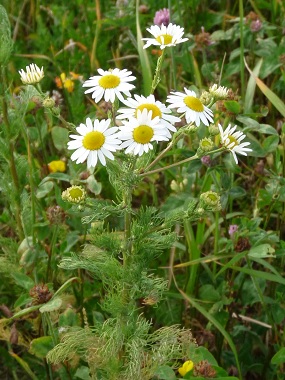
Herbal Infusions can strengthen our immune system, ease our cold and flu symptoms, and are a gentle support for many physical ailments. They also make great companion plants for your vegetables! Please keep a few things in mind:

  1. If you are pregnant or have a serious health issue, please ask your doctor before consuming any tea. 
  1. A single herb is known as a “simple.” Experimenting with that herb is called “simpling,” and it is the best way to test the flavor and effect of each herb. Get to know your herbs and how they make you feel.
  1. Harvest your herbs in the morning after the dew has has just dried.  This is when the oil content is highest and you will get the best results. Harvest the plant and let dry away from sunlight without damaging the leaves.
  1. When making infusions, unless otherwise instructed, use 1-2 teaspoons of dried leaves to a cup of hot water.  Limit yourself to 3 cups a day.

5) While some plants have anti viral properties, they do not kill a virus, but work to protect cells from the virus.  Herbal infusions have a supportive role to help the body.

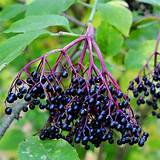
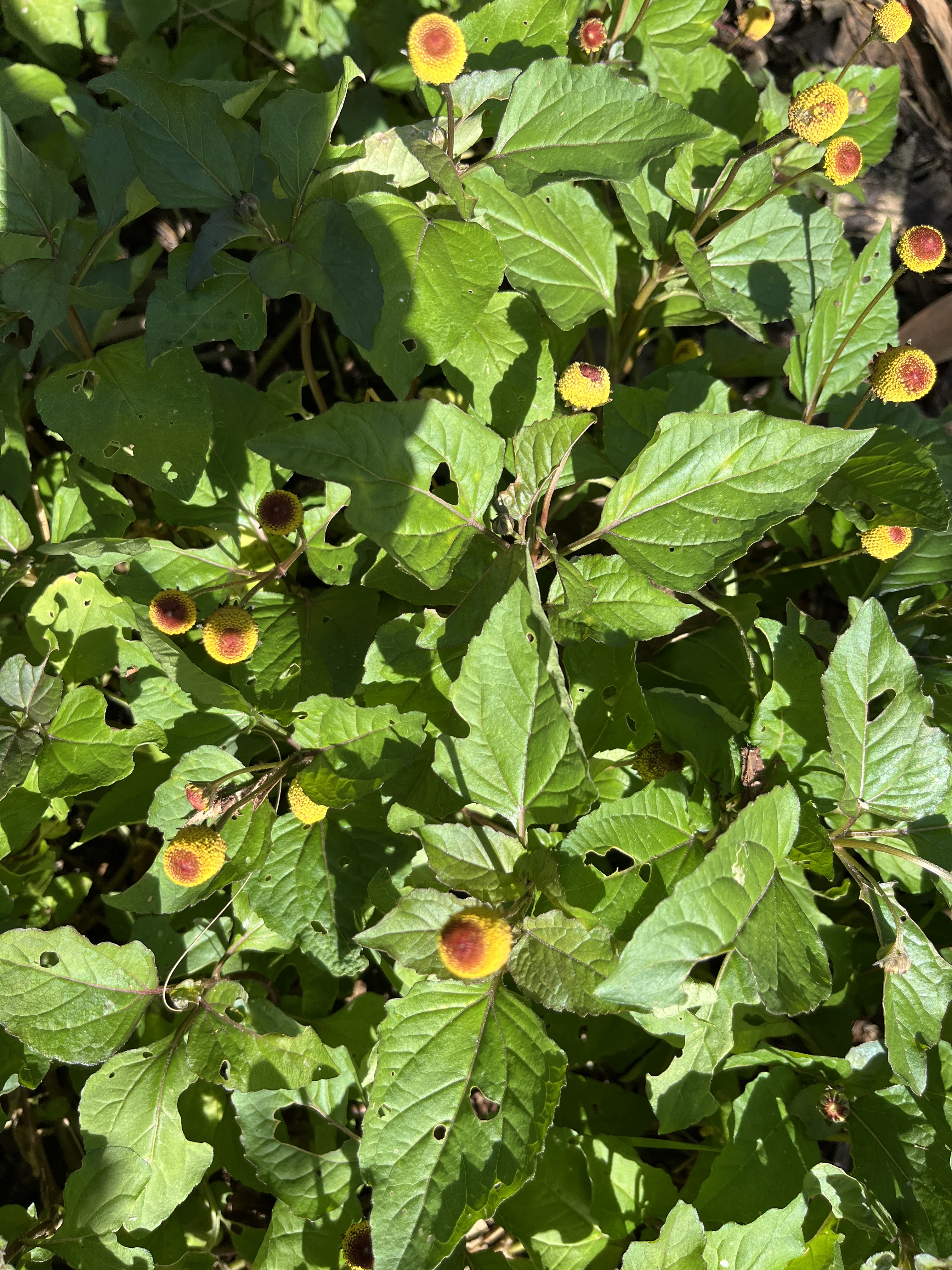
There are many herbal plants that impart health benefits when consumed.  The following is a short list of some that are growing currently in our garden.

Harvest and Preserve Your Herbs

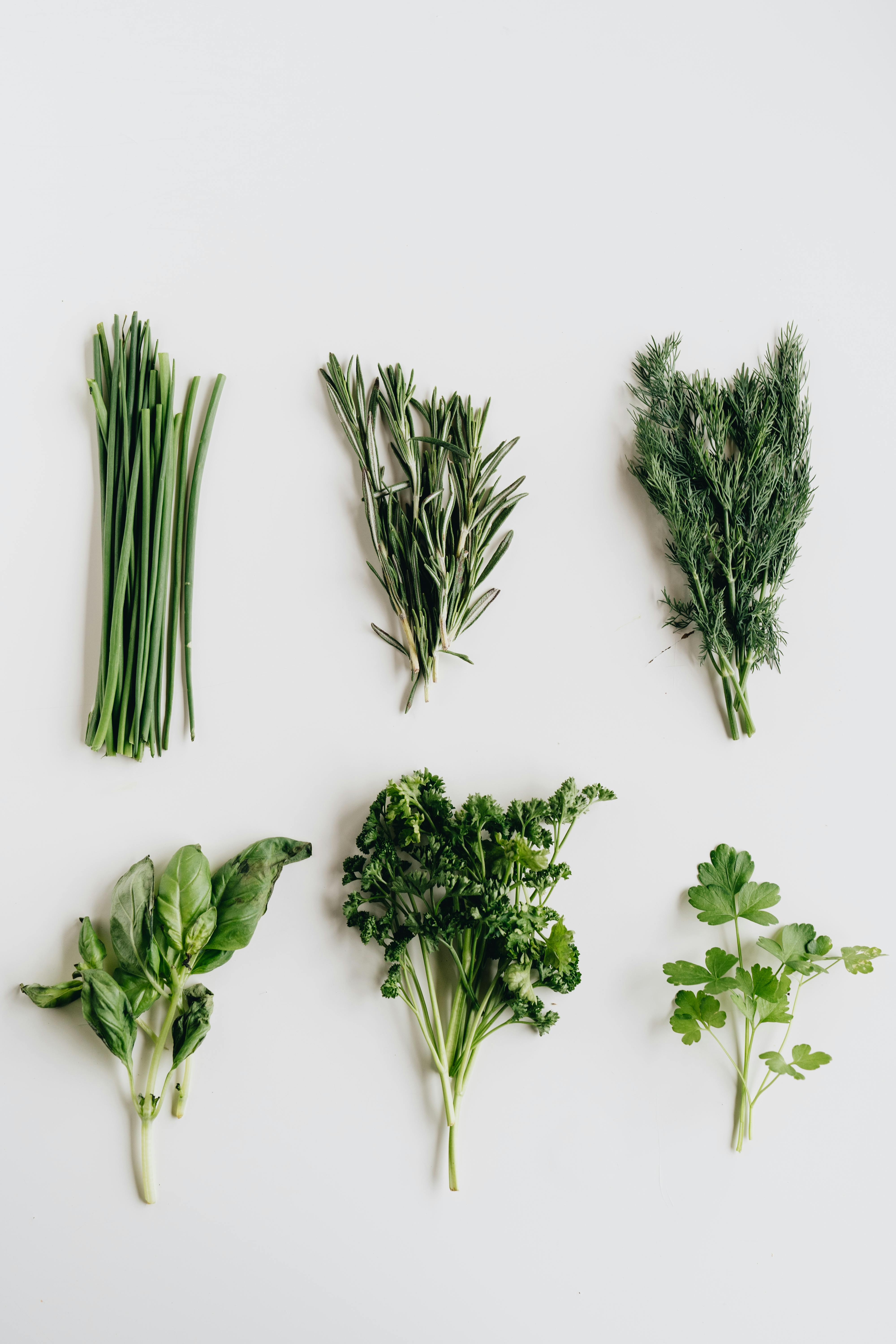
Most herbs are very easy to grow and they enrich our lives with their flowers, flavors and medicine. When harvesting herbs, you need to identify which part of the plant you need – the root, leaves, flowers or rhizome. Then you can decide when is the best time to harvest.

Herbs such as basil, thyme, mint and sage are best harvested when the flowers are about to open. That is when the oil content in the plant is at its peak. Flowering tops such as skullcap, golden rod, yarrow and hyssop are also best picked when the flowers are just about to open up.

The best time of day to pick flowers and leaves of herbs is in the morning after the dew has dried. Once harvested, be careful not to crush the fresh leaves or to leave them in the sun. You may use sharp scissors to cut at the base of the plant, and if the conditions are right, the plant will will regrow.

Drying Herbs

If your harvest is clean of bugs and dirt, there is no need to wash it. Pick through it to discard any discolored or damaged leaves or flowers. The point of drying is to eliminate the moisture in the plant quickly before it dies so it retains its properties when stored. You can dry them on a screen or some muslin cloth. Tie your herbs in loose bundles using rubber bands and hang them in an area that is warm, dry and shaded. They are dry when the leaves are crisp and snap rather than bend. It may take up to two weeks for some herbs to completely dry. Store in a clean glass jar rather than plastic. Label and date the plant. They do lose some of their potency over time.

Alternatives to Drying

There are a few other ways to preserve your herbs. Freezing, making ice cube herbs and infusing oil or vinegar with your herbs. Some herbs, like basil, are at their best when used fresh, so freezing will help the leaves retain their flavor. See the uploaded document for the best ways to preserve some of the types of herbs.

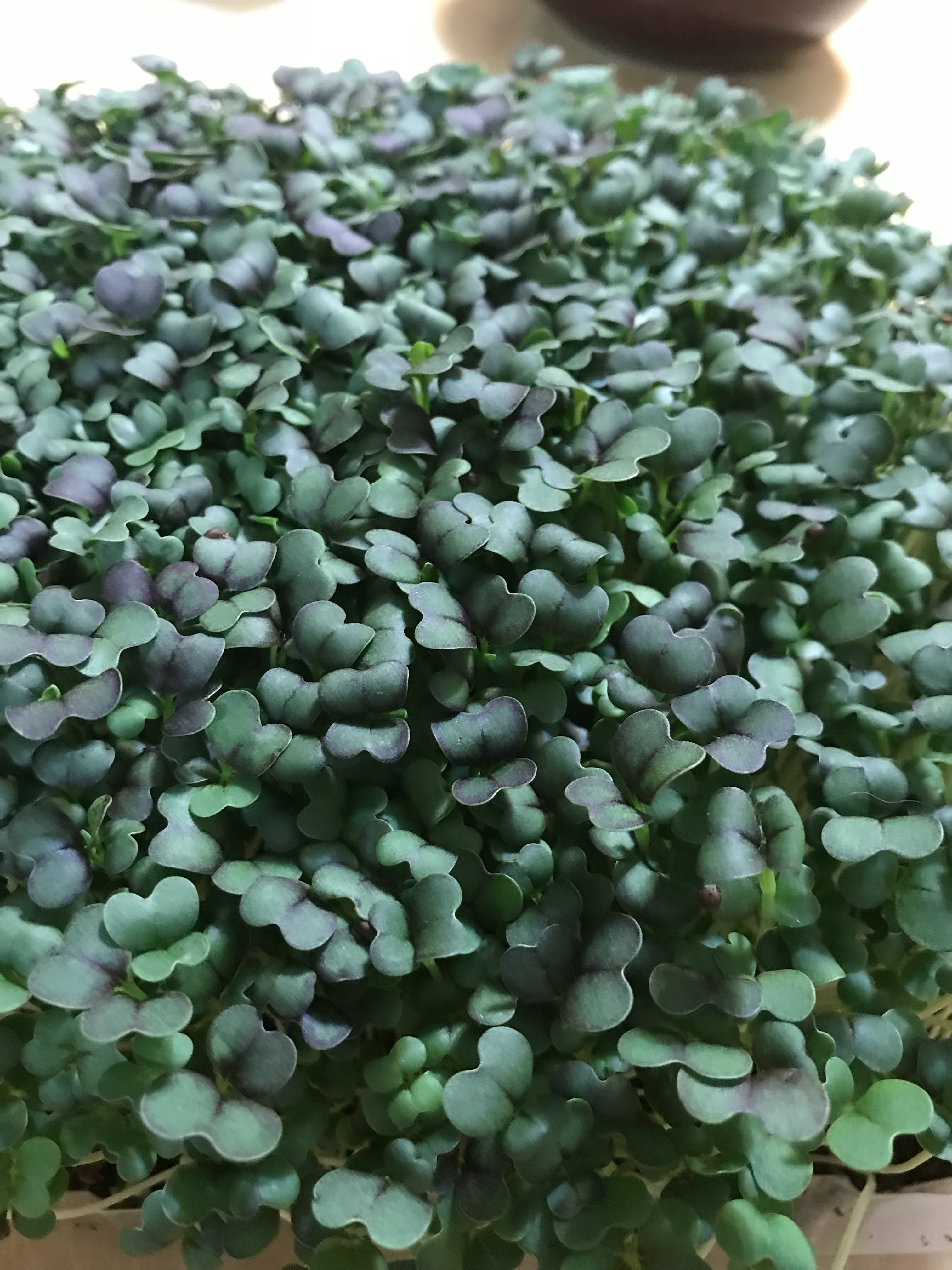
Grow More Greens – Micro Greens!

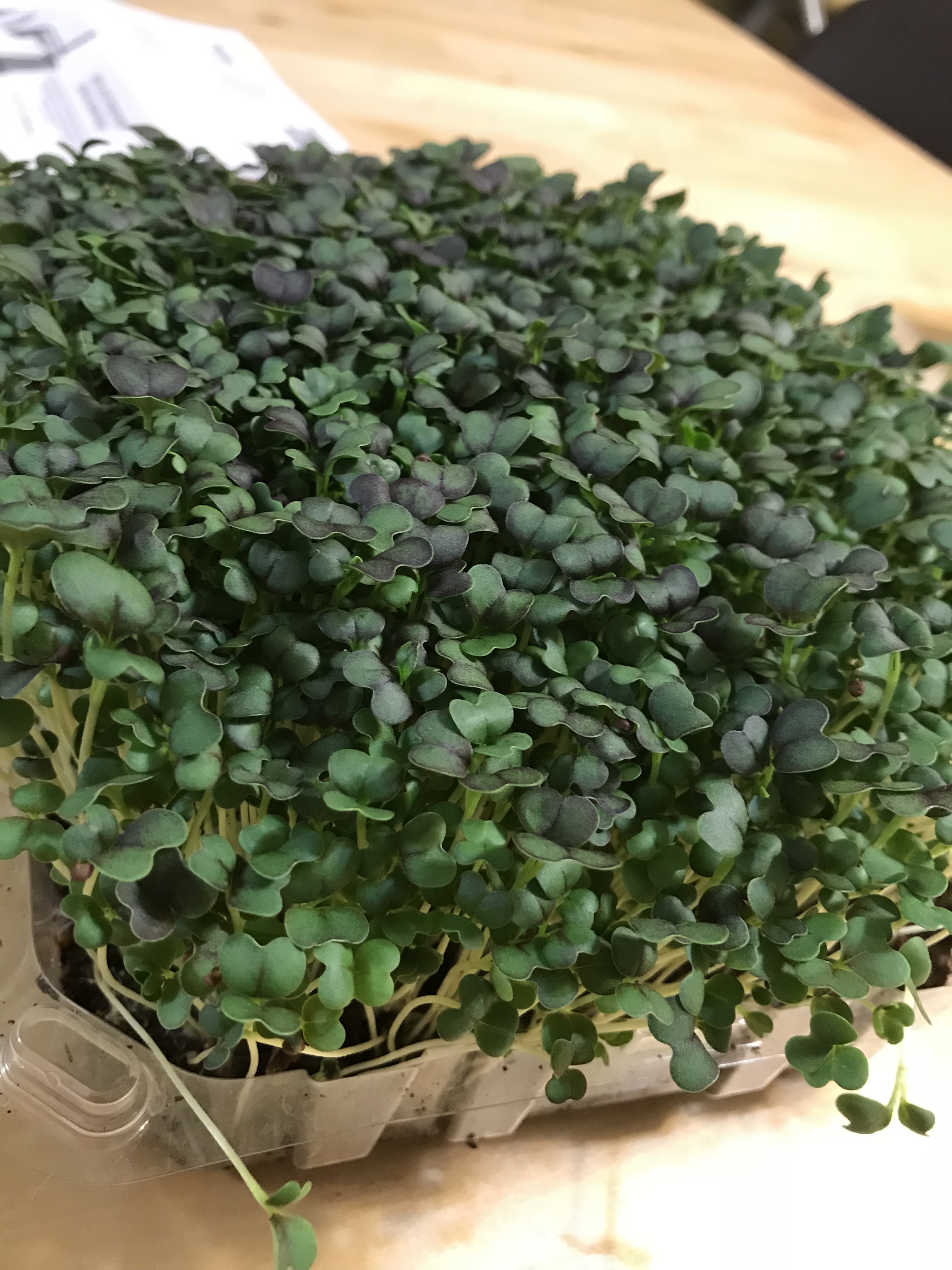
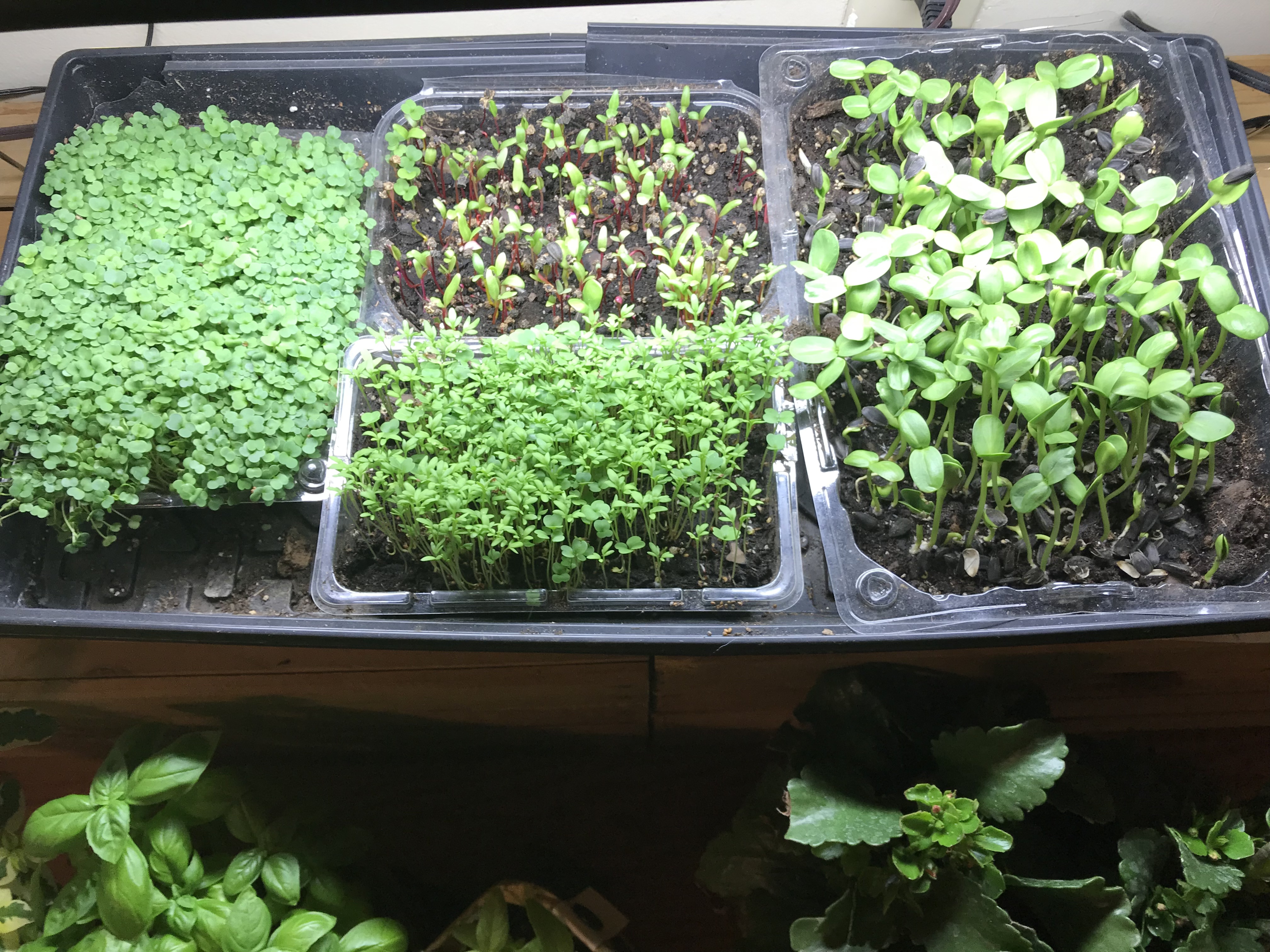
Why, you might ask. The top reason to grow micro greens is because they are so good for you! There are many varieties of micro greens, different flavors and colors, but they have two things in common. First, they have 4 to 40 times more nutrition than their mature counterparts. That’s right! Packed with vitamins and minerals that the body can easily use, when you eat micro greens you are helping your body stay healthy. Secondly, they are super easy to grow! Read more to find out.

Micro greens are a rich source of iron, zinc, magnesium, potassium, calcium, folate, manganese, and phosphorus. They are also full of antioxidants such as sulforaphane, polyphenols, and lutein. Sulforaphane is a powerful antioxidant that has been shown to have anti-inflammatory and anti-cancer properties. Polyphenols are a group of antioxidants that have been linked to a reduced risk of chronic diseases such as heart disease, diabetes, and cancer.

Micro greens are also a great source of fiber and protein. They are low in calories and high in nutrients, making them an ideal food for weight loss and overall health. Micro greens are also rich in vitamin C, vitamin A, and vitamin K. Vitamin C is an antioxidant that helps boost the immune system and promote healthy skin. Vitamin A is important for vision, immune function, and skin health. Vitamin K is essential for blood clotting and bone health. (Microgreen Starter, January 24,2025)

The fantastic thing about micro greens is how easy they are to grow! You can grow several varieties at once, or plant in succession so you always have some greens to harvest. Experiment with flavors and try something new. Download the growing guide below to begin.

How To Grow Microgreens

Websites for More Information

https://trueleafmarket.com/pages/growing-microgreens-starter-guide

https://feastandfield.net/read/fruits-and-vegetables/microgreens-are-a-superfood-fad-here-to-stay/article_59fbf19e-9e2f-11eb-90fa-df297510b6c9.html

https://www.johnnyseeds.com/vegetables/microgreens/

Tips for Growing Tomatoes

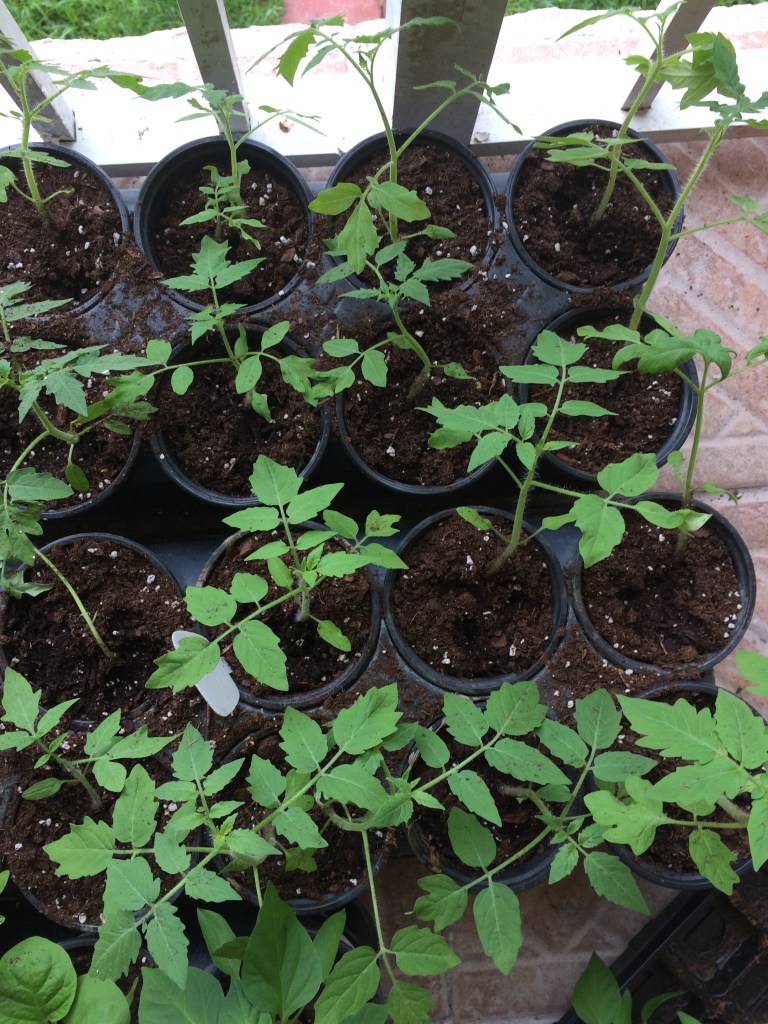
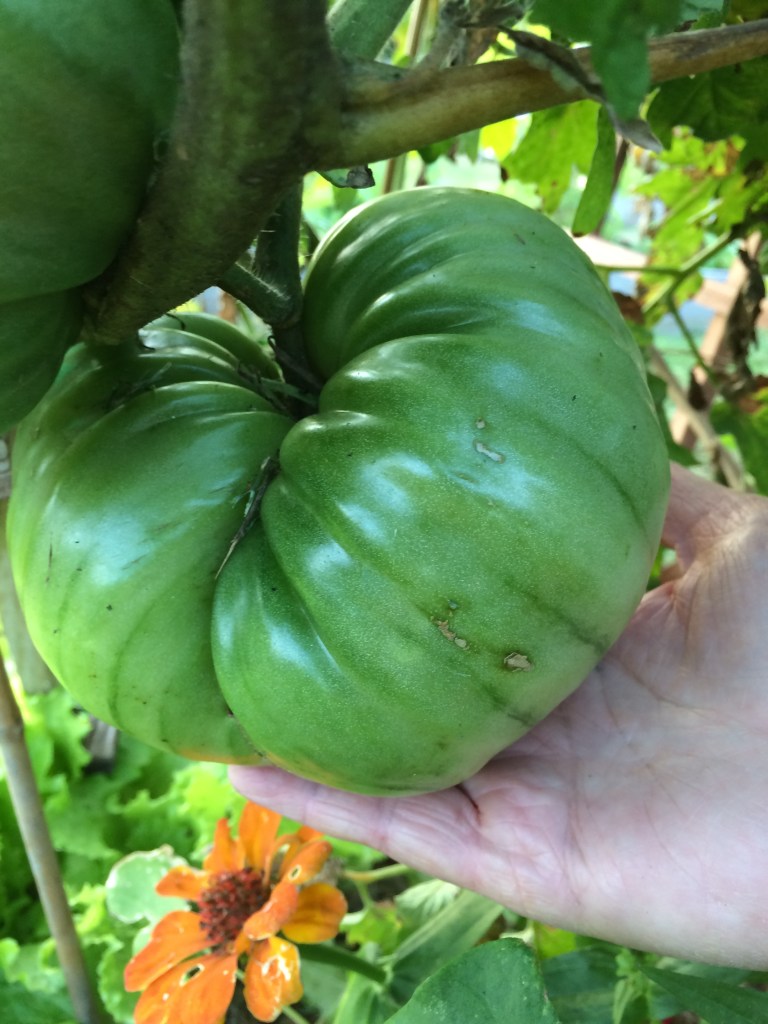
That’s me! I love to grow tomatoes and give to my friends! When I moved from New York to Florida, the first thing I did was plant some tomatoes in my yard for the summer. Big mistake! The summer heat and rains really damaged the plants and I realized that Florida is on a different planting calendar. Over the years I have learned some things that have helped me be successful growing tomatoes that I would like to share with everyone. Our garden class on growing tomatoes was held on Saturday, November 16th. The following handouts were shared as well as tomato seeds, zinnia seeds, and a couple of tomato plants were raffled.

All the tips for growing tomatoes are included in the document below that can be downloaded and shared with friends. A couple of tomato plants, lots of tomato seeds and also some zinnia seeds were given away. Tomato lovers were happy!

New! Improved! Free Little Seed Library

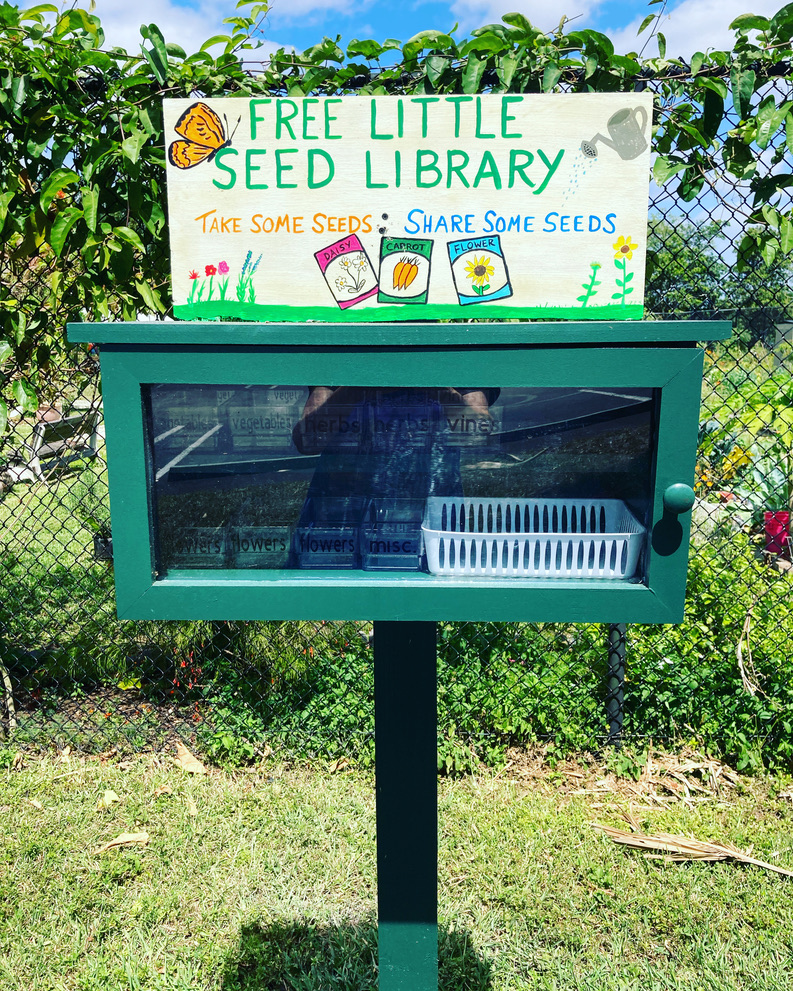
Free little seed libraries have popped up across the country as more people became interested in home gardening during Covid. The Coral Springs Community Garden wanted to share seeds with others and loved the idea! This Free Little Seed Library was installed a couple of years ago and many people in the neighborhood benefited from the seeds being shared by our garden members. However, the door broke a few times and the seeds were not being protected from the weather.

The Old Version


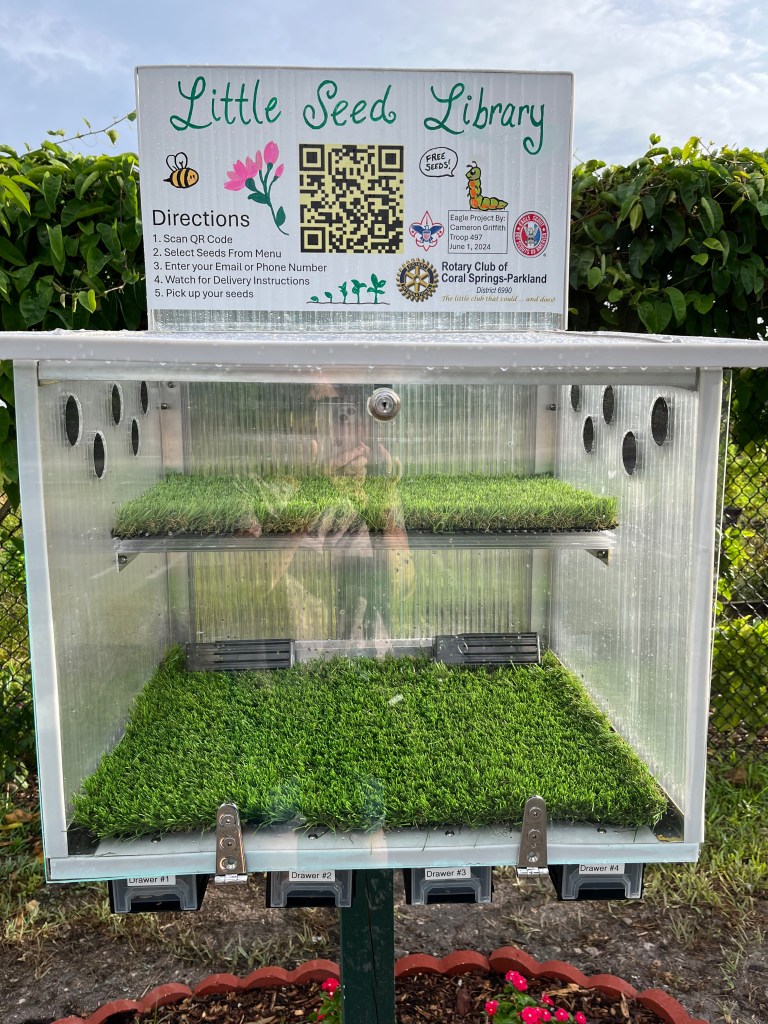
The New Improved Version!

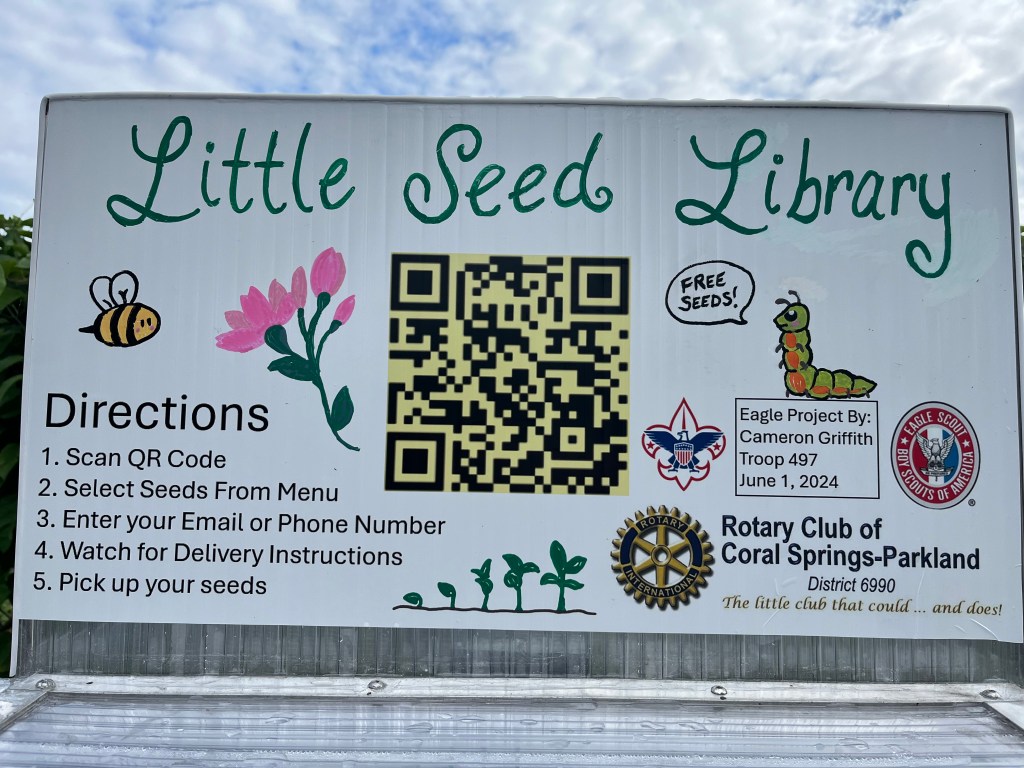
Thanks to the efforts of Master Gardener Olivia Cleary and Eagle Scout Cameron Griffith, we are happy to announce the installation of the next generation in seed libraries! Cameron and a few friends from Scout Troop 497 worked hard in the extreme heat to install the library. The sign above gives clear directions about how to receive seeds. Scan the QR code with your phone camera and follow the directions. There are 4 drawers below the library where people can share extra seeds with others.

Thank you Cameron and Olivia and Troop 497! You made something special for the gardeners!