Saturday, March 15th, a class was held under the pavilion to learn about the benefits of making herbal teas from plants in the garden. Besides learning about the benefits of individual plants, gardeners were able to participate in a “tea tasting.” A tea made from one herb is called a “simple.” Making a simple tea allows you to discover the flavor and effect the tea has on you. Experimenting with that tea is called “simpling.” Making hot or cold infusions, testing the potency when it is steeped longer, or blending with another tea.

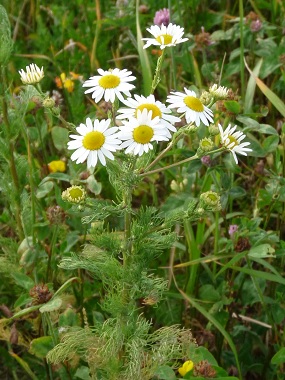
Herbal Infusions can strengthen our immune system, ease our cold and flu symptoms, and are a gentle support for many physical ailments. They also make great companion plants for your vegetables! Please keep a few things in mind:
- If you are pregnant or have a serious health issue, please ask your doctor before consuming any tea.
- A single herb is known as a “simple.” Experimenting with that herb is called “simpling,” and it is the best way to test the flavor and effect of each herb. Get to know your herbs and how they make you feel.
- Harvest your herbs in the morning after the dew has has just dried. This is when the oil content is highest and you will get the best results. Harvest the plant and let dry away from sunlight without damaging the leaves.
- When making infusions, unless otherwise instructed, use 1-2 teaspoons of dried leaves to a cup of hot water. Limit yourself to 3 cups a day.
5) While some plants have anti viral properties, they do not kill a virus, but work to protect cells from the virus. Herbal infusions have a supportive role to help the body.
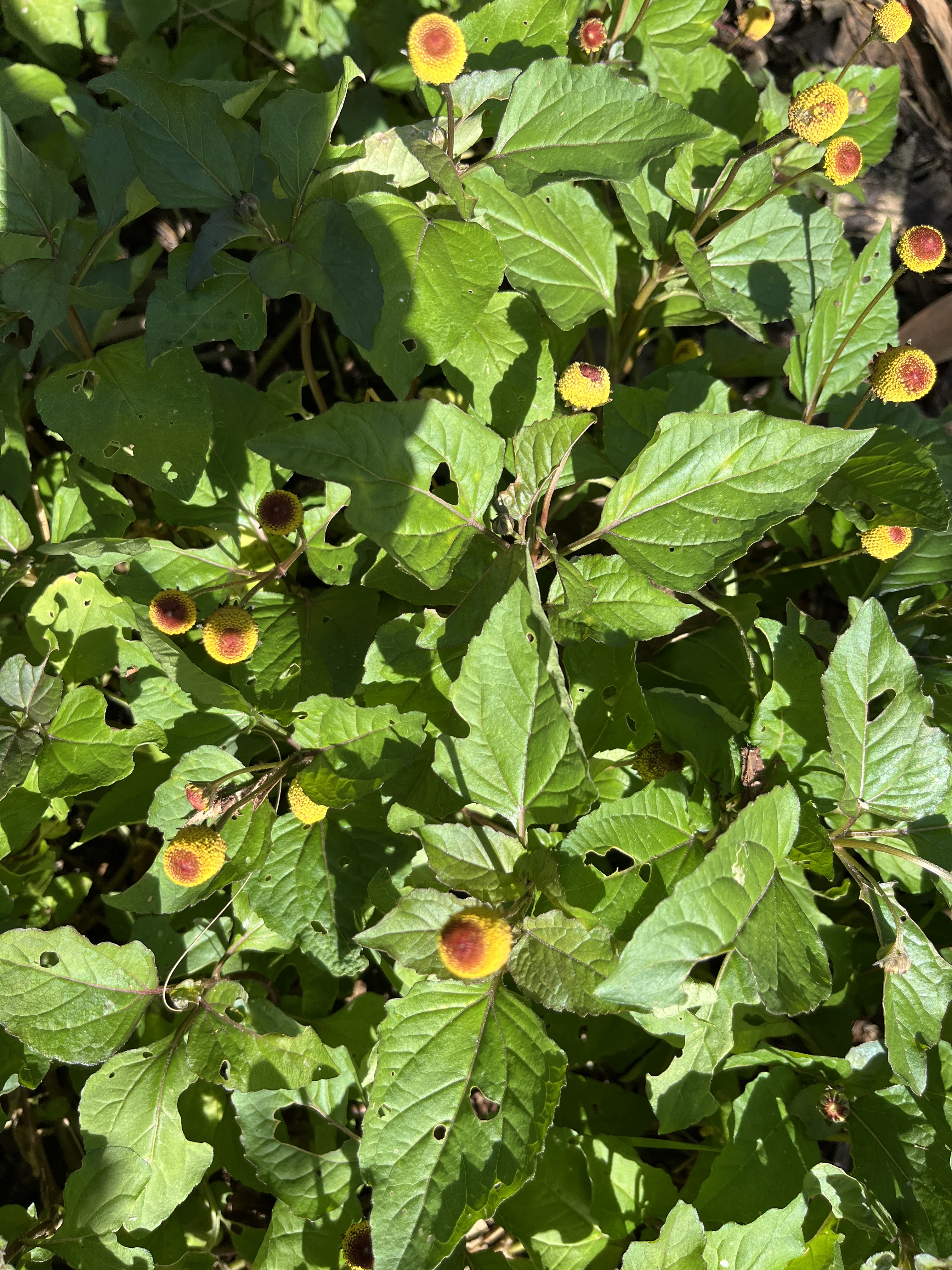
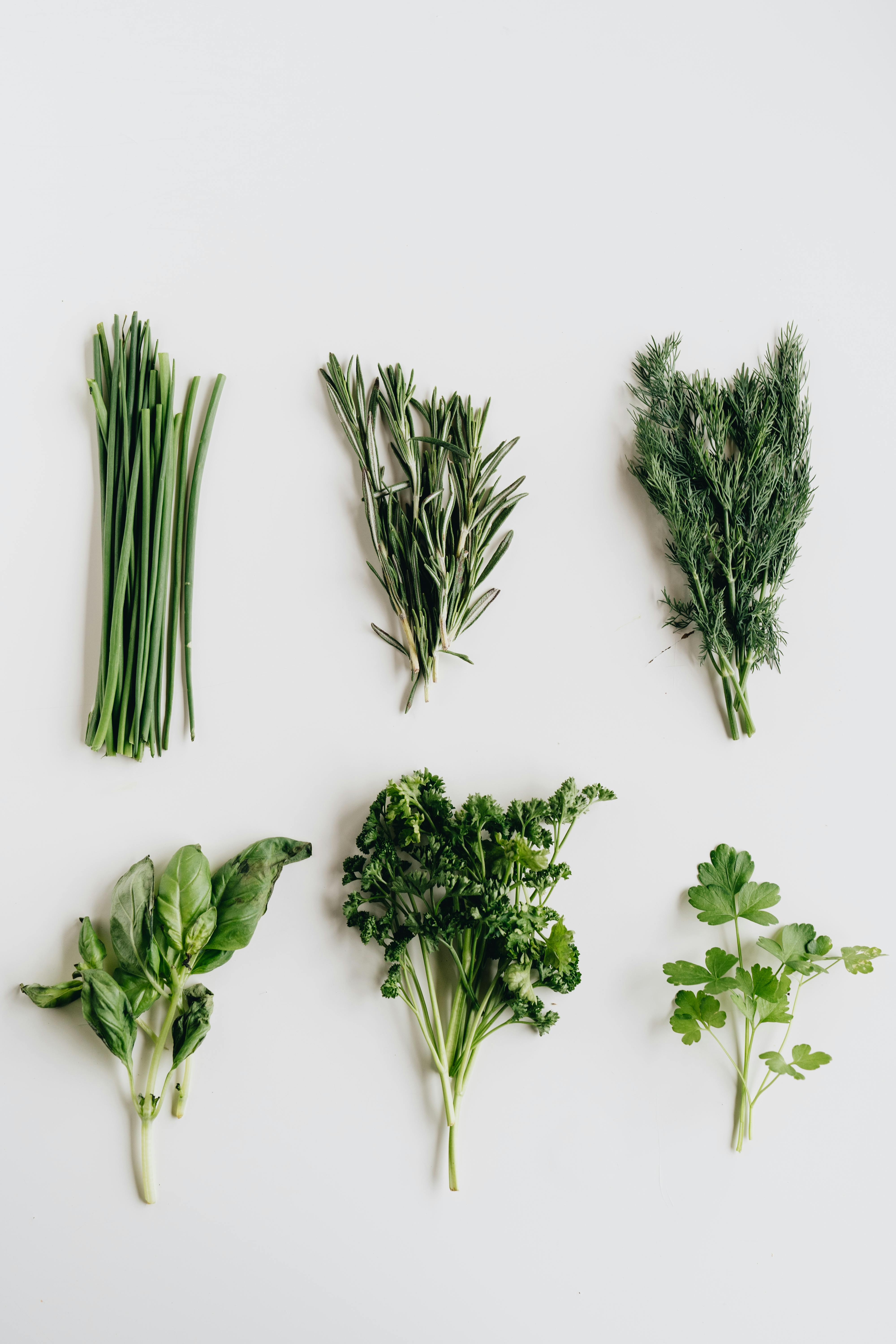
There are many herbal plants that impart health benefits when consumed. The following is a short list of some that are growing currently in our garden.

 Rotary Community Garden and Food Forest of Coral Springs