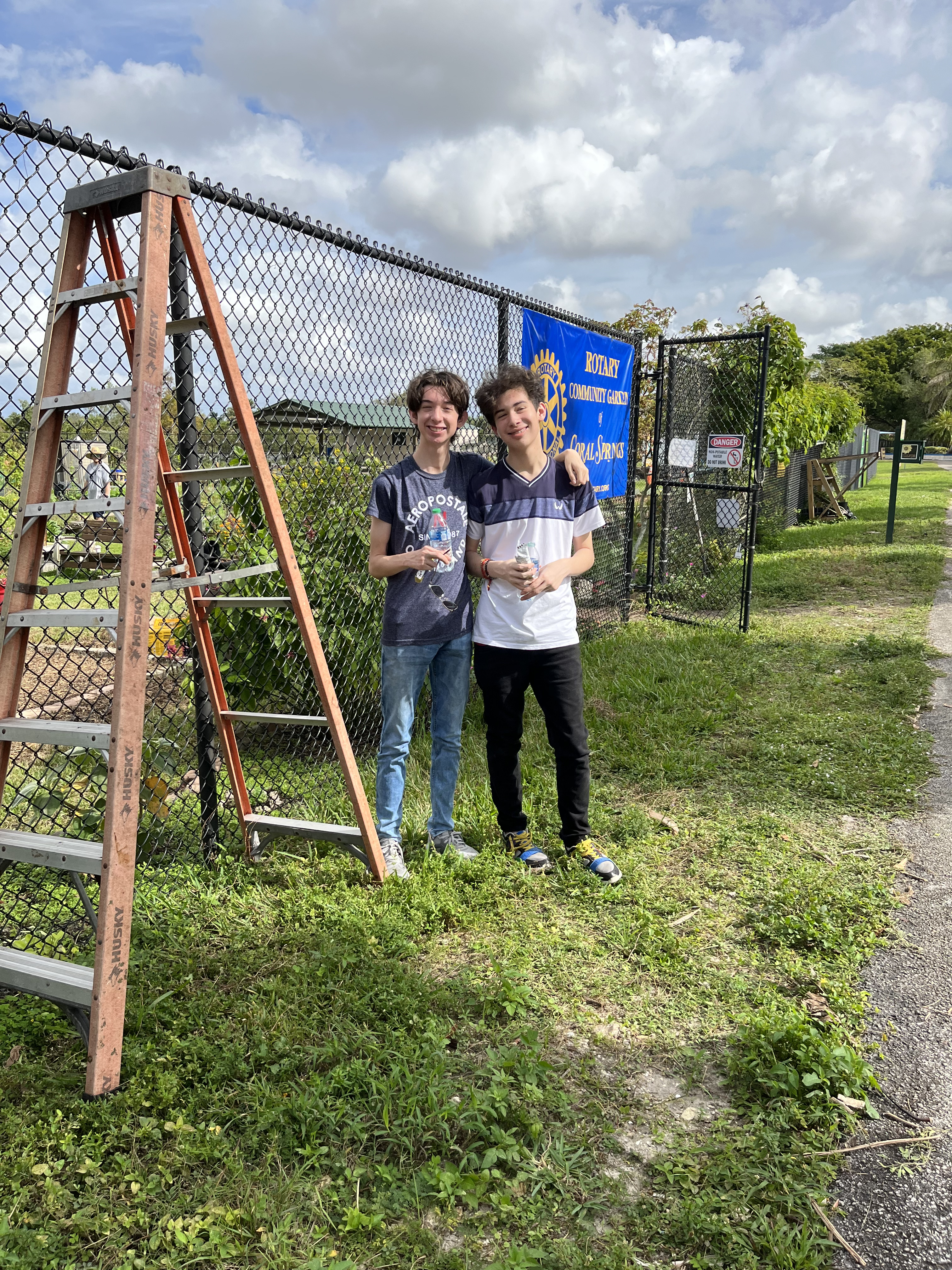
The members of the Rotary Coral Springs Community Garden and Food Forest were so thrilled to win the Broward County NatureScape Emerald Award for 2024! The NatureScape Emerald Award recognizes businesses, municipalities, schools, government facilities and homeowners that have created and maintained model Florida-friendly landscapes or completed exceptional projects that demonstrate visible ecological practices (e.g., non-cypress mulch, rain barrels, composting). There were 2 rounds of judging and award was announced on the Waters Matter Day. The banner is now proudly displayed outside the garden! Thank you to all of our dedicated gardeners and volunteers who have helped to create this wonderful oasis in our city.
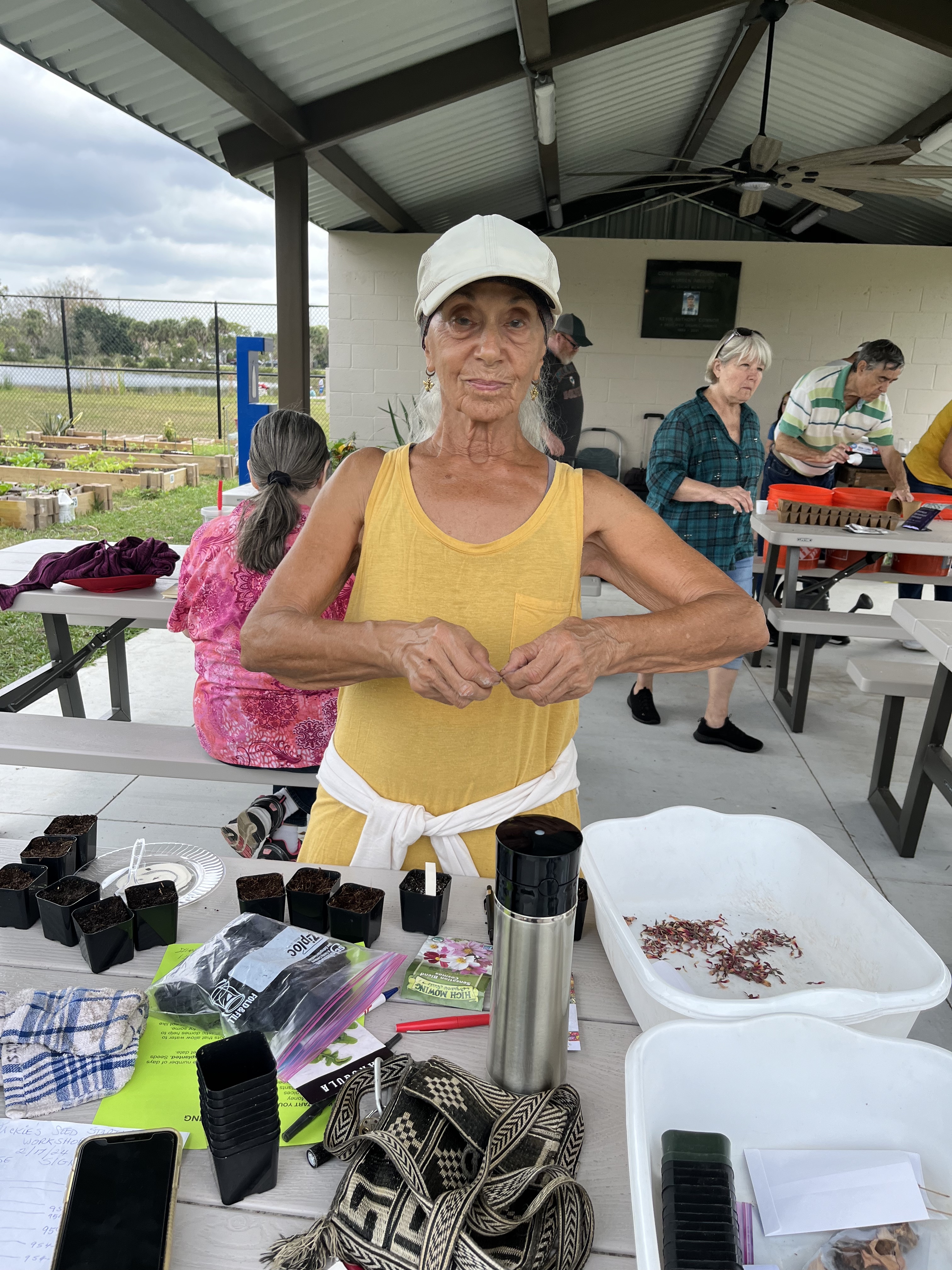
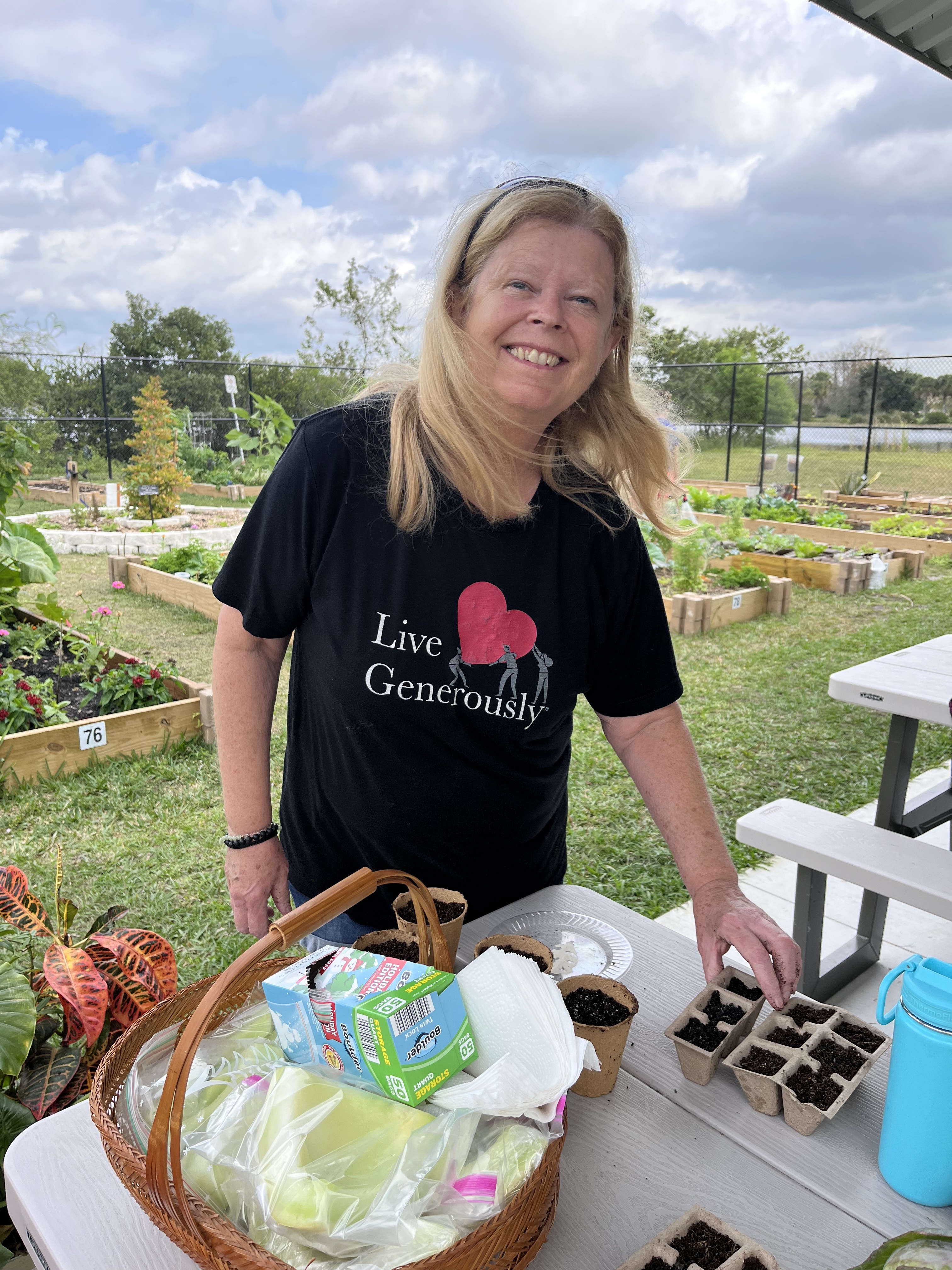
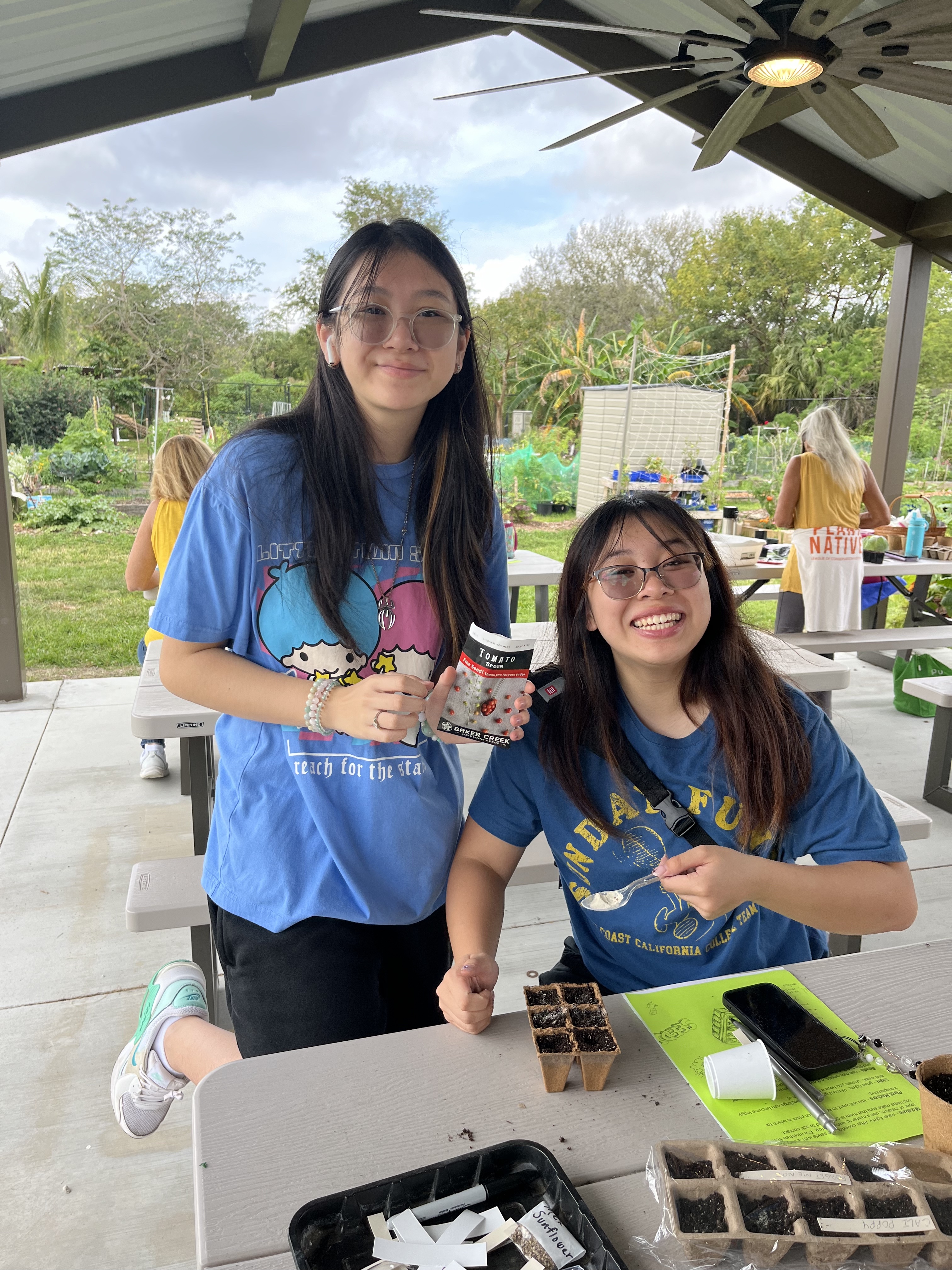
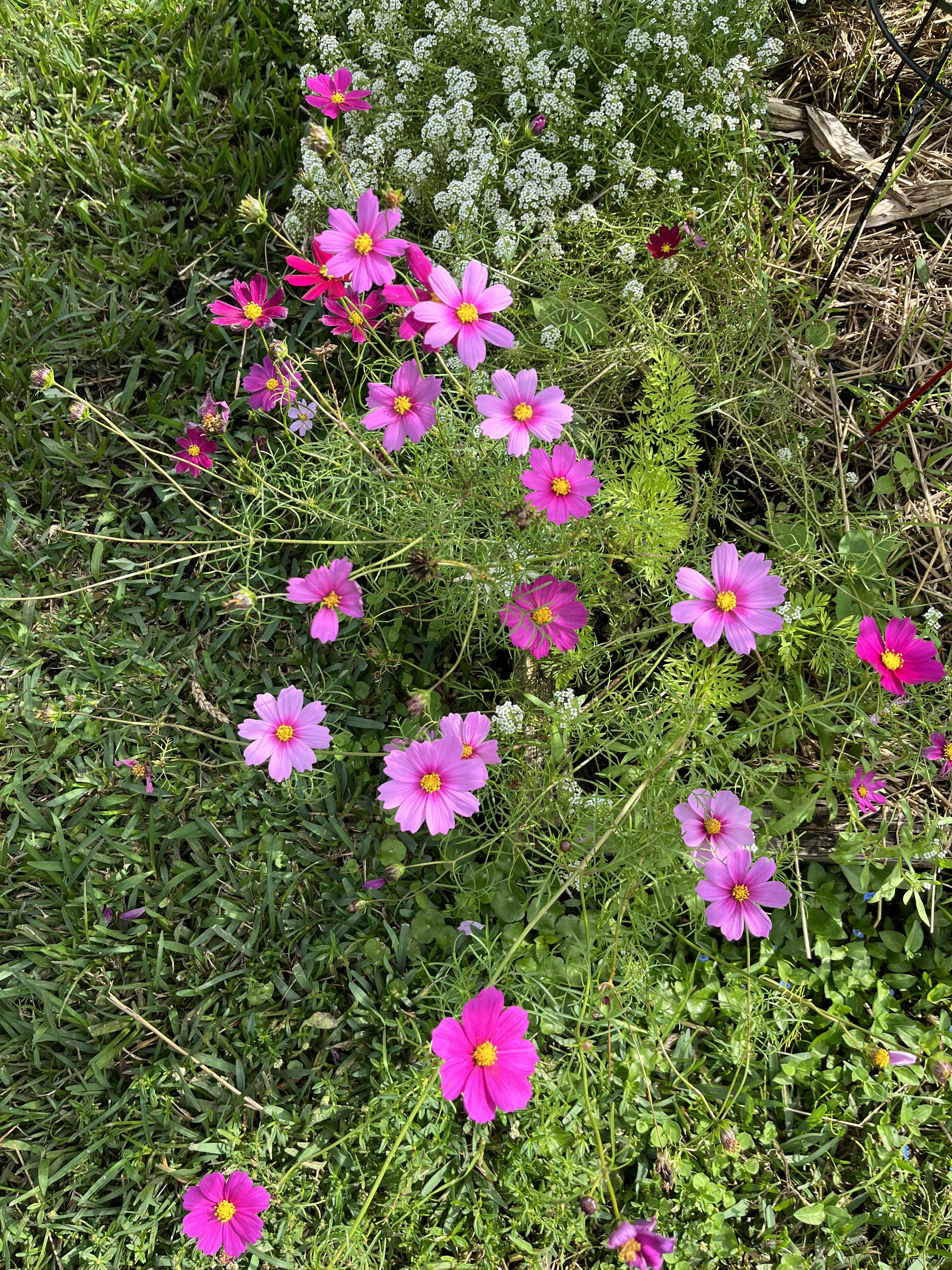
There is an old proverb that says, “All the flowers of all the tomorrows are in the seeds of today.” Gardeners gathered under the pavilion on Saturday, February 17th to learn the ins and outs of starting plants from seeds. It was a great turnout and after the class, participants started plants from seed for the Coral Springs Earth Fest in April, and for their own garden. Some of the plants they started were herbs-oregano, basil, parsley and garlic chives. Some were flowers, such as poppies, marigolds and cosmos and others were vegetables – Everglades tomatoes, okra, and Seminole pumpkin. There were smiles all around as everyone enjoyed the morning in the garden.
The Rotary Coral Springs Community Garden and Food Forest is the result of the cooperation and endless hours of hard work of many different people. Every person that gardened or volunteered has left an indelible mark that can be felt as you walk around and observe the beauty and life in the garden. To recognize the contributions over time, I thought it would be interesting to post this visual history.
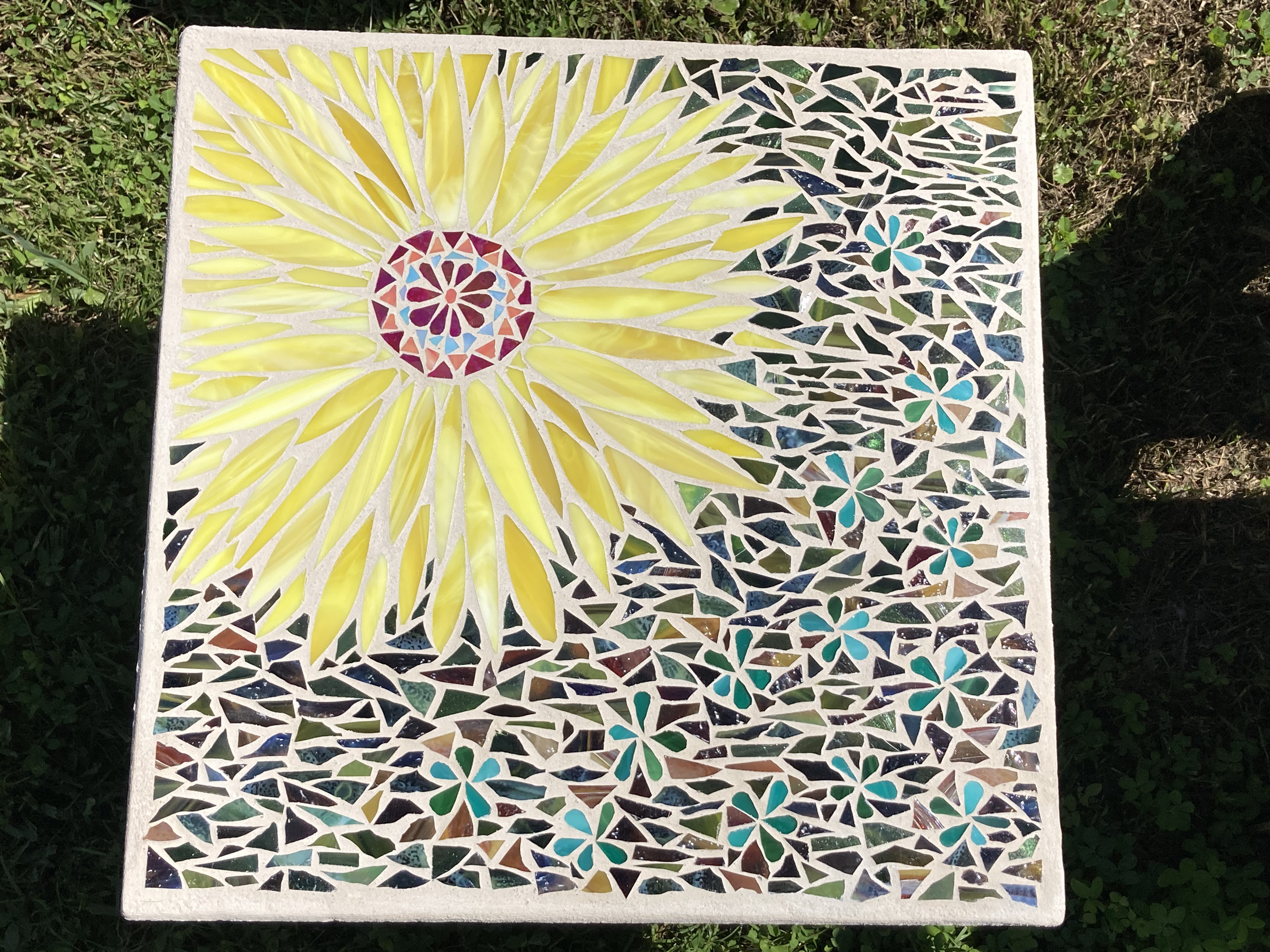
At the time of our pavilion dedication, Natasha, the daughter of one of our gardeners, gifted the garden with a beautiful mosaic. It sits by a bench near our entrance.
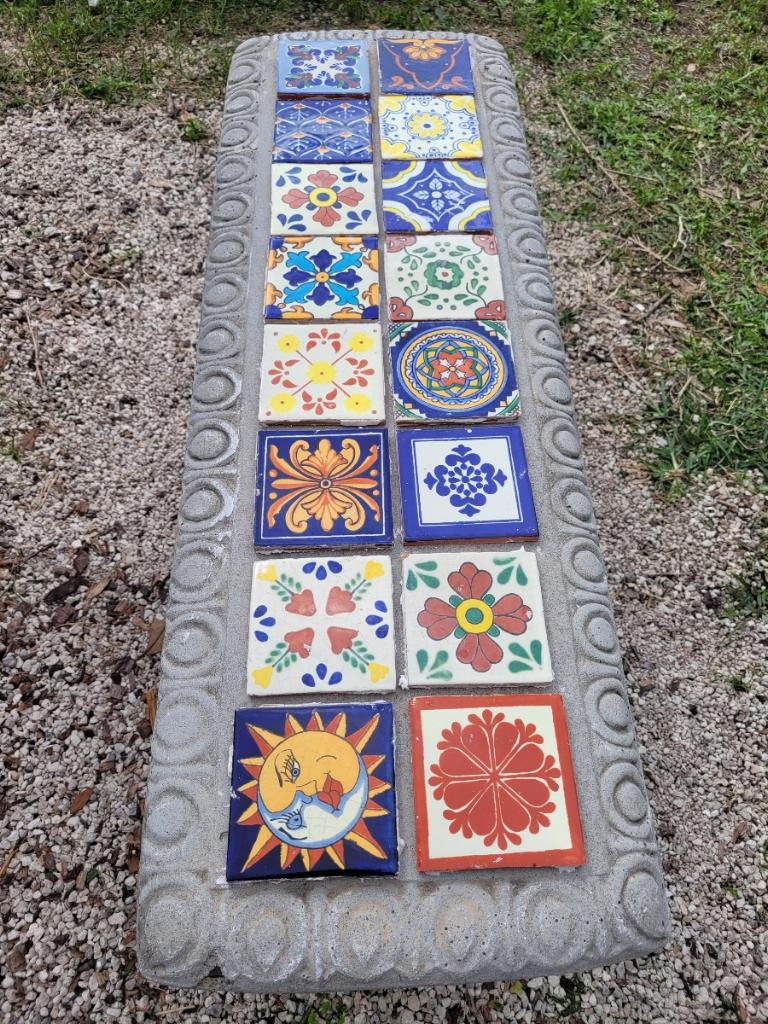
Gardeners were inspired by this beautiful art and discussed the idea of tiling a table and benches in the Memorial section of the garden. Natasha agreed, and a group signed up to help. Mexican tiles were chosen and the activity took a couple of days. The result is this colorful addition to the garden! Thanks to Natasha and all who participated! Be sure to check it out when you visit.
A master gardener told me once “Feed the soil, not the plant.” Wise words that many gardeners have followed. As the cost of fertilizers have increased, I was thrilled to come across the book, The Regenerative Grower’s Guide to Garden Amendments. The amendments in the book promote the biological health of garden soil and are available from local sources. Some of these homemade amendments can also be made from waste-products (like weeds or fish scraps) that would otherwise end up unused.
On January 17th, I shared some of the recipes for these homemade amendments with other gardeners. We each made a vinegar extraction of eggshells, fermented plant juice, and swamp water (a water extraction of plant minerals). Easy to make and apply, the amendments have sparked my interest to learn more.
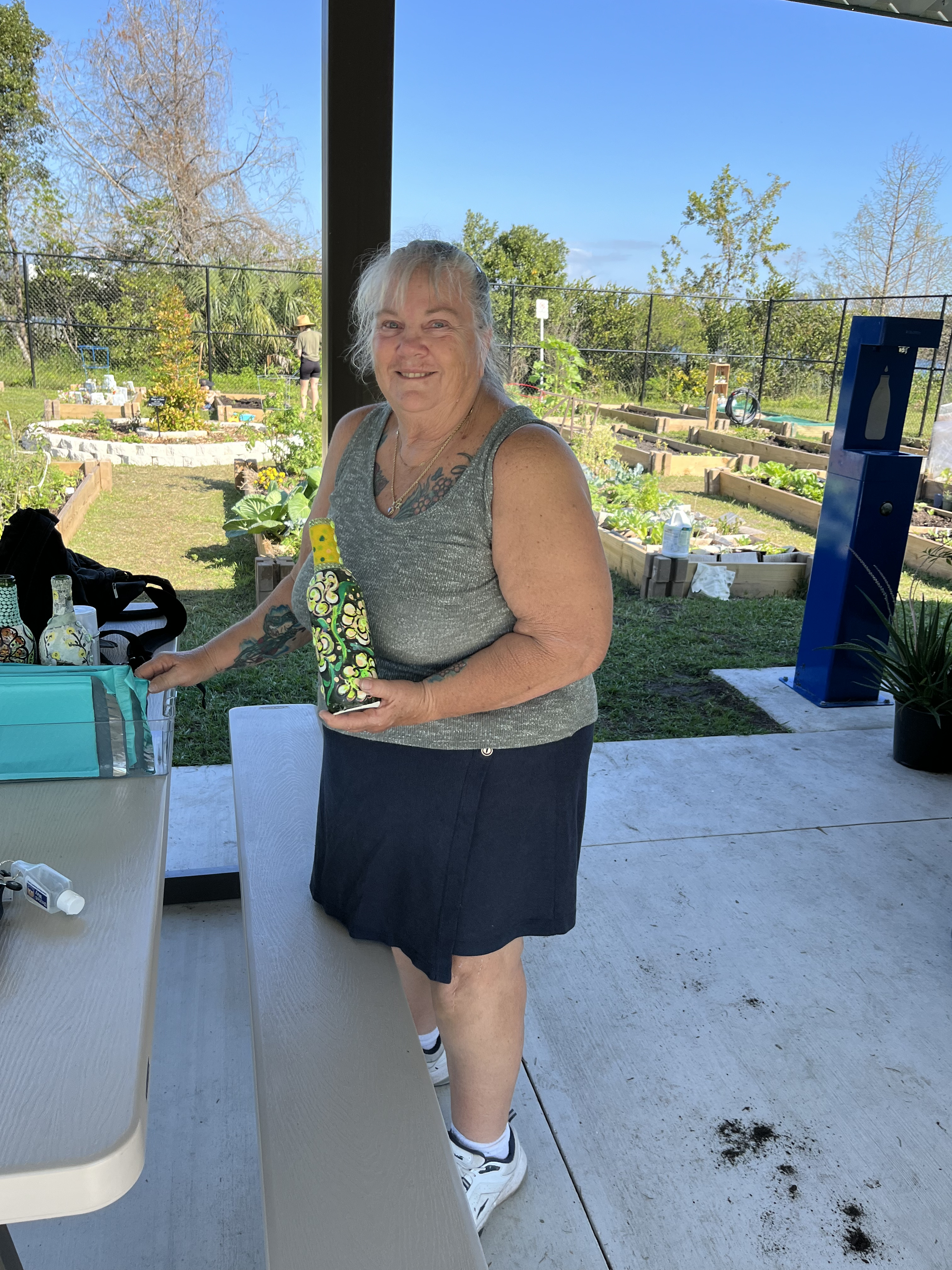
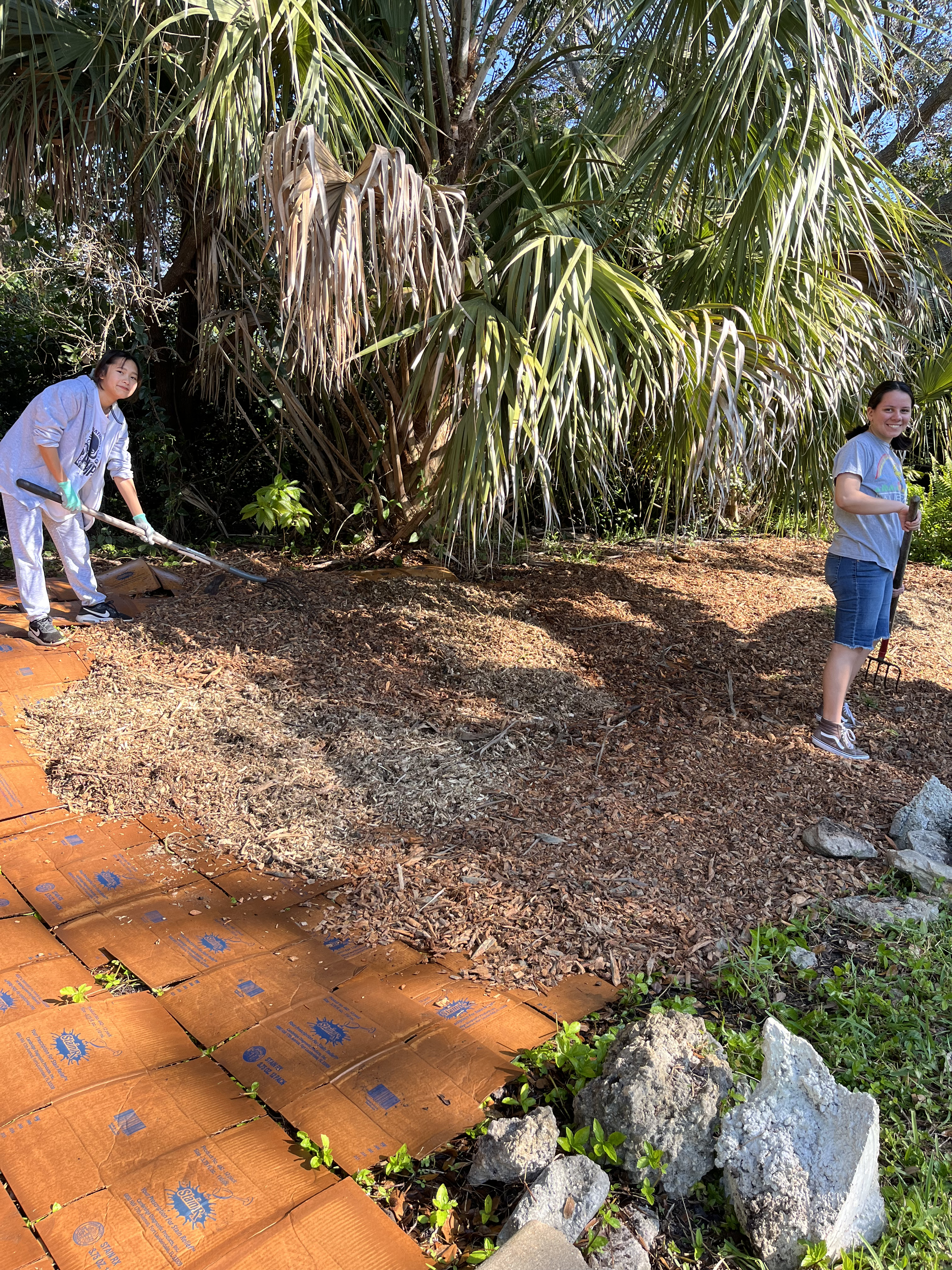
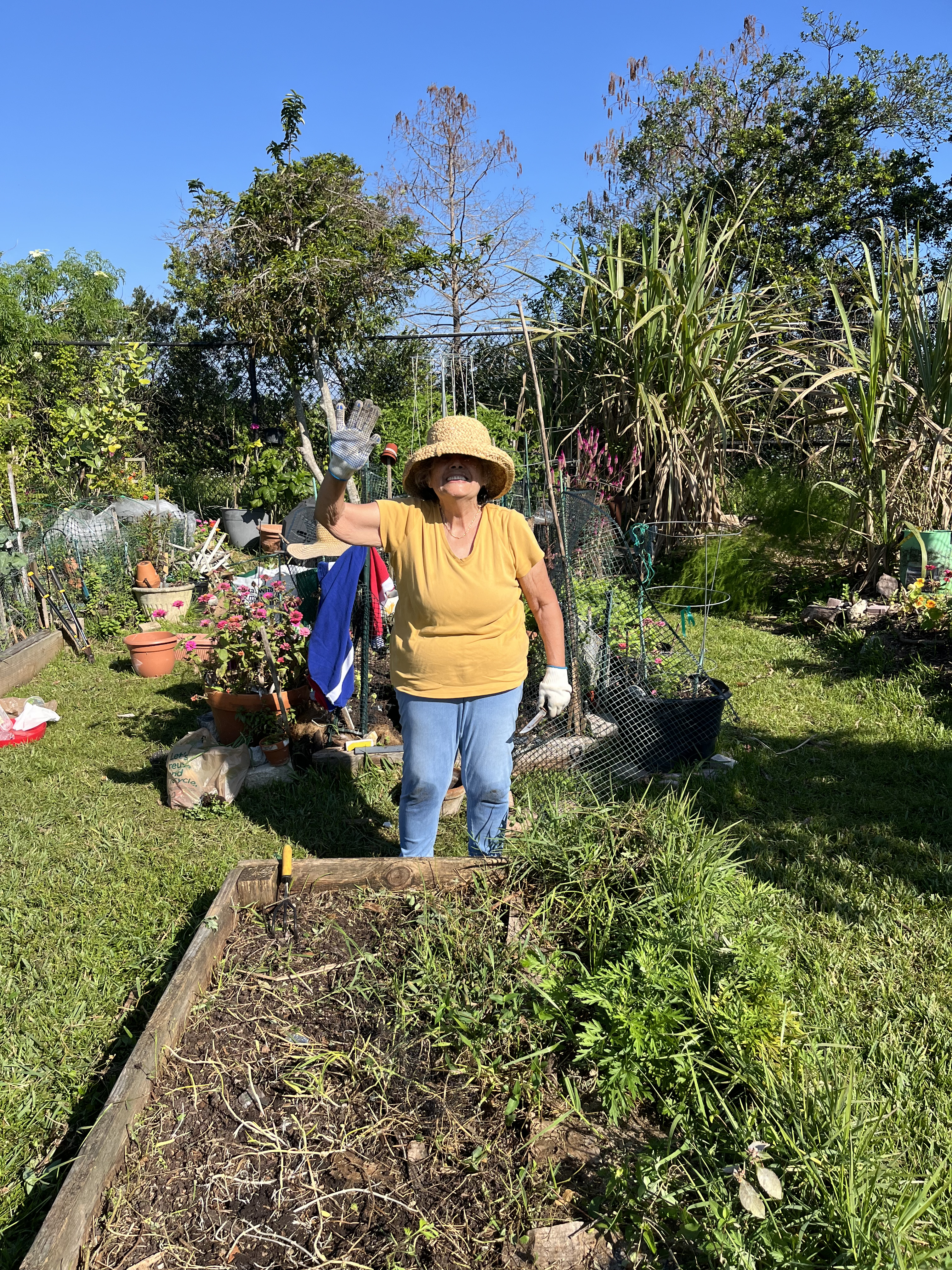
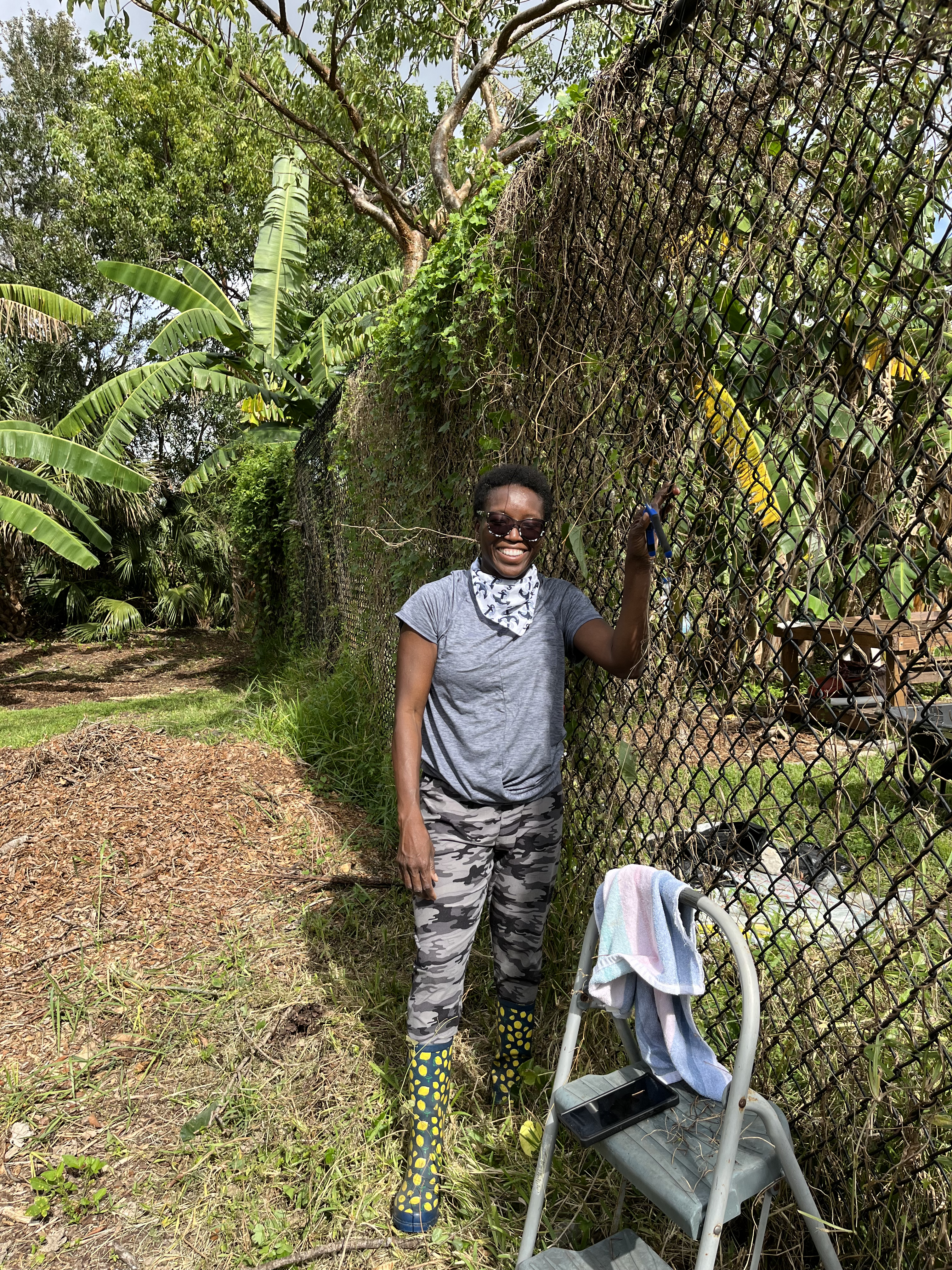
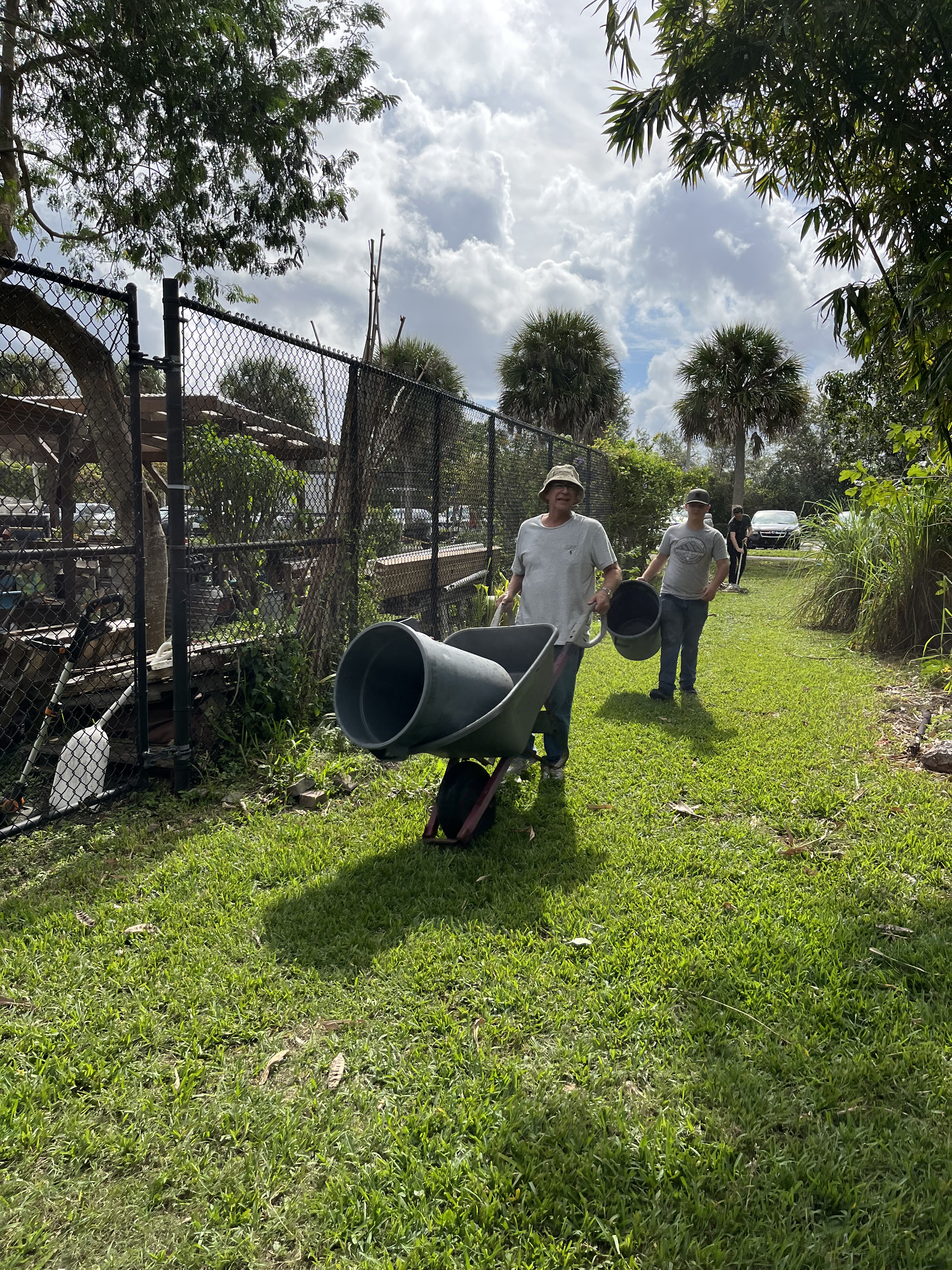
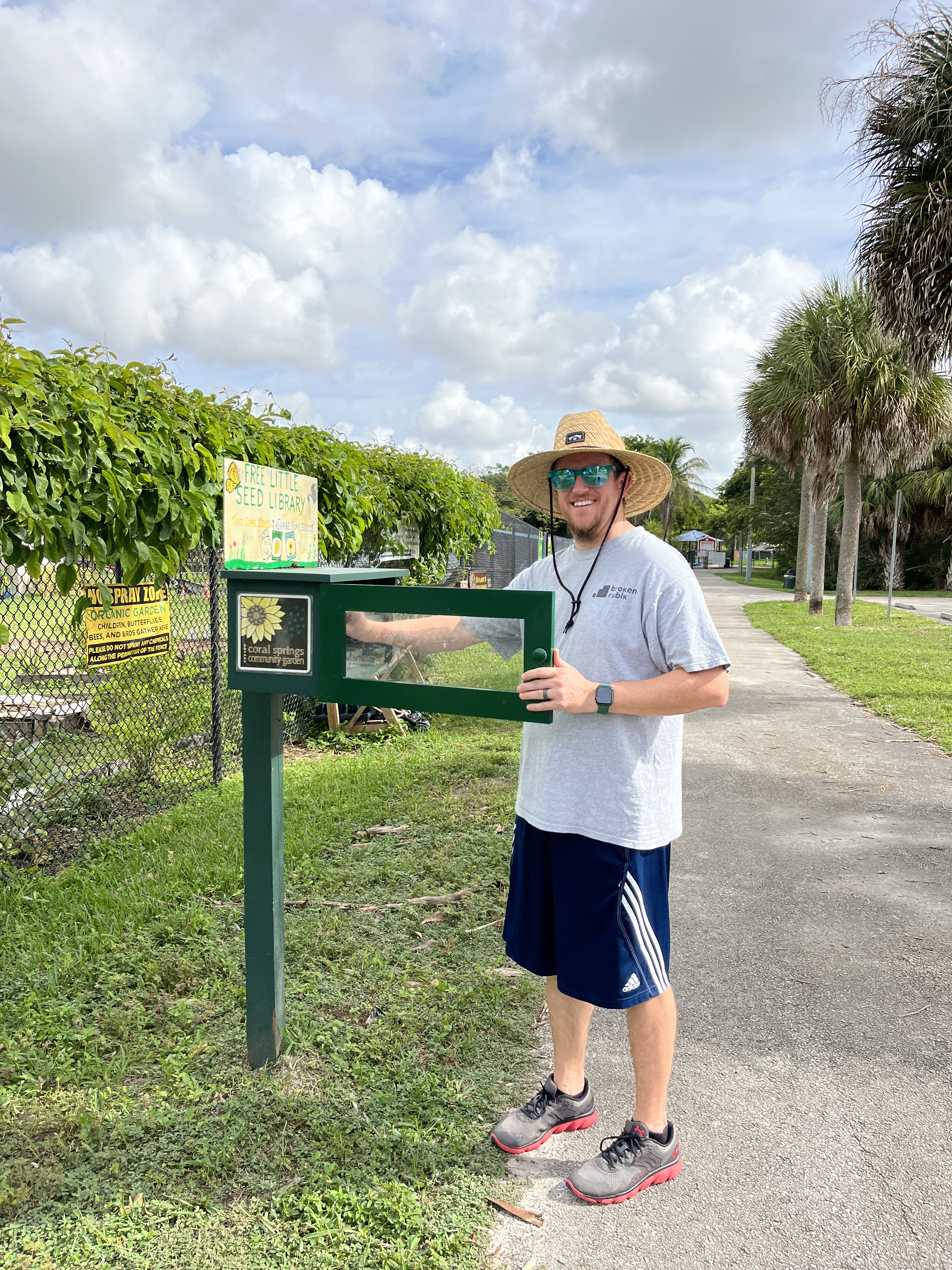
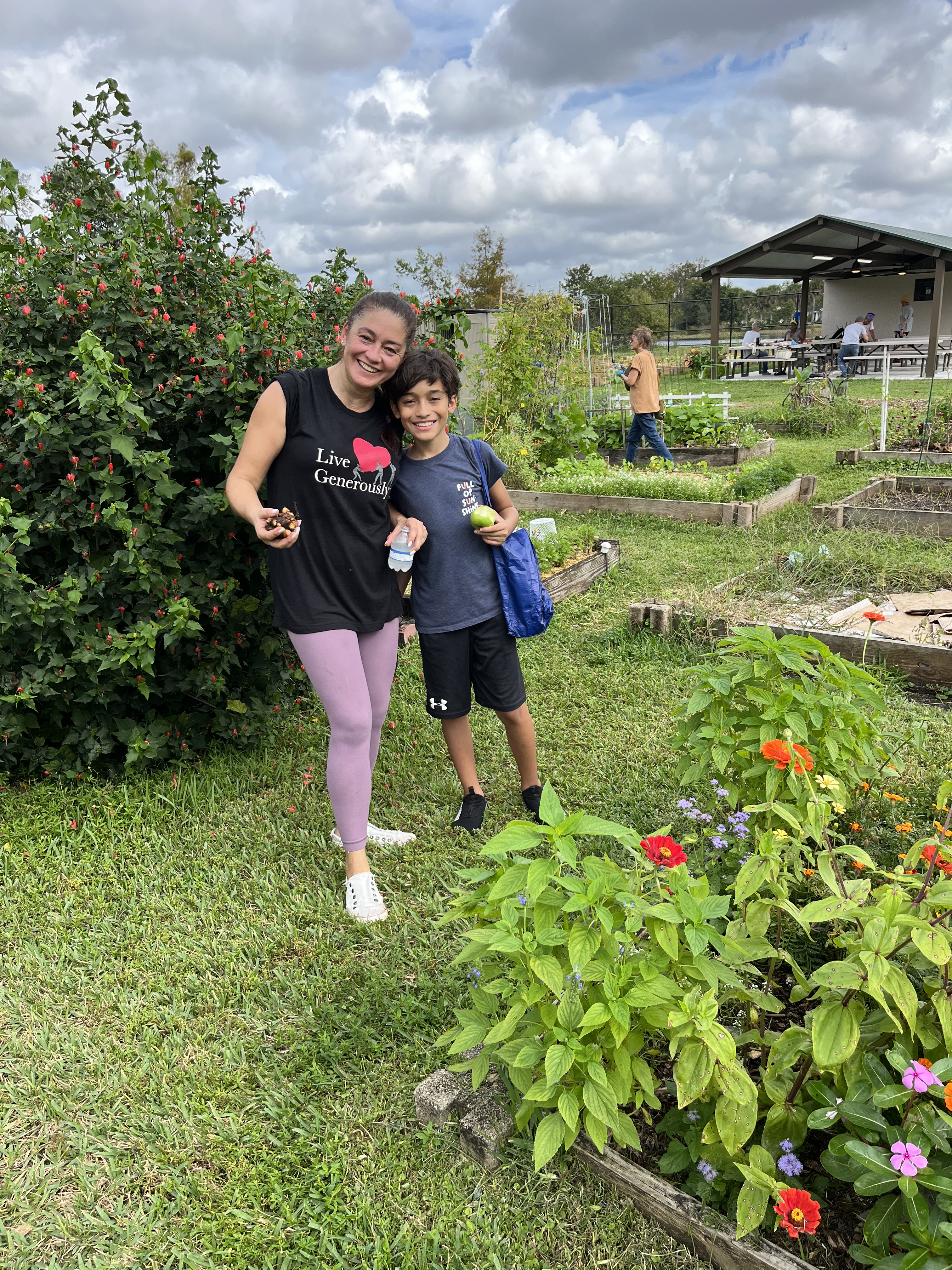
Beautiful weather and wonderful people make our garden a spectacular place to be on a Saturday morning!With the onset of the cooler weather, volunteers have completed many of our garden tasks while sharing gardening tips and enjoying snacks! Here are a few highlights from our January and February Volunteer Work Days:
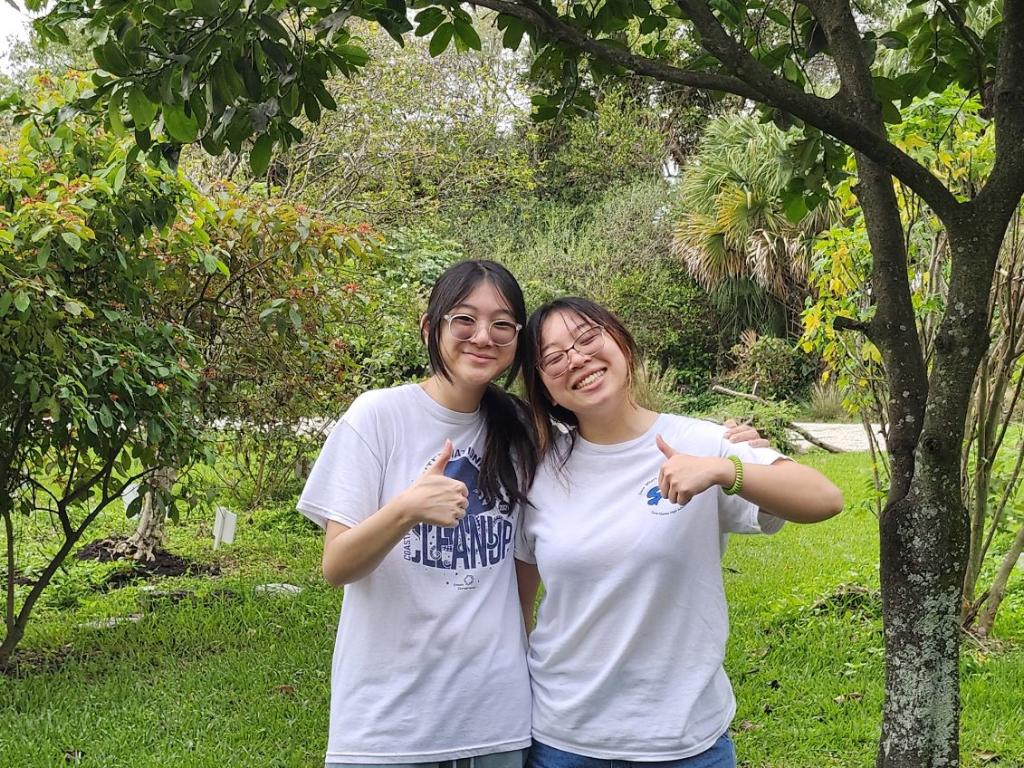
Gardeners and volunteers worked together on Saturday morning weeding, planting and watering. It was great to see everyone in the garden at the beginning of our cooler weather season!
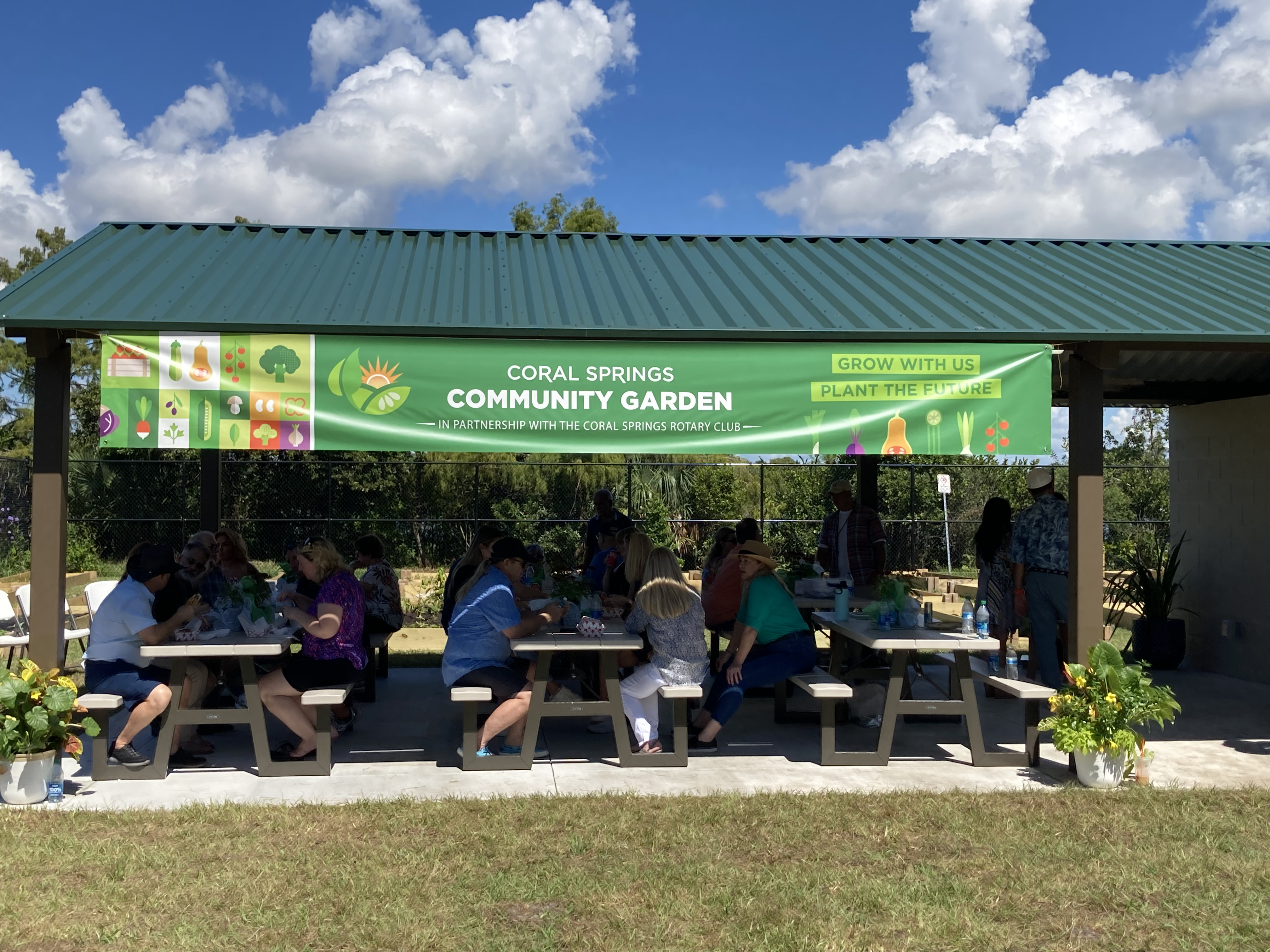
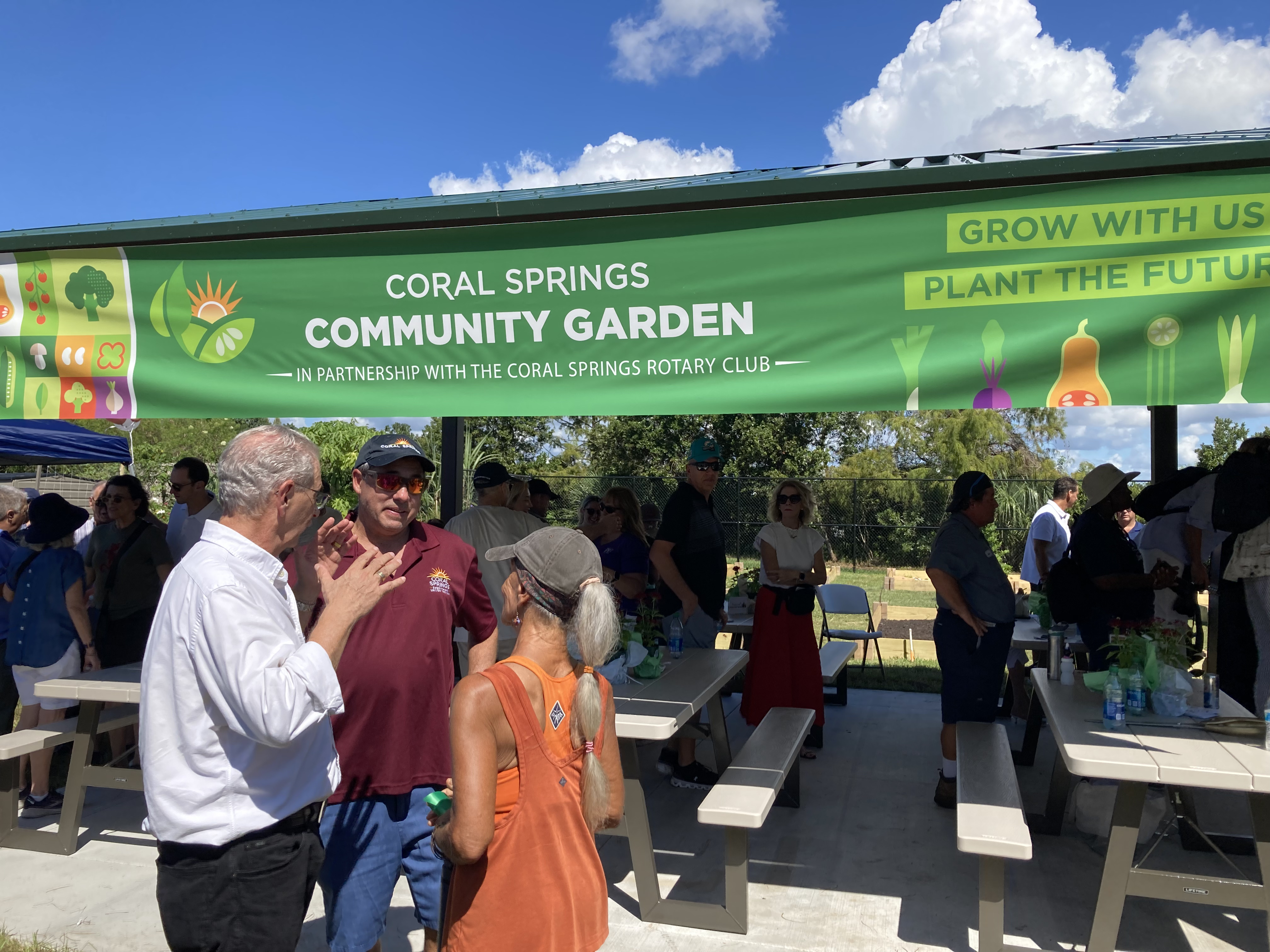
October 7th saw a wonderful turnout for the dedication of the new pavilion donated by Susan Connor in memory of her son, Kevin. Community garden members, the Coral Springs Rotary, and representatives of the city were present for the dedication. The pavilion will make it possible for education classes about gardening and information about nutrition. The expansion also adds additional garden beds for new gardeners, a space for children and more beds to grow food for donation.
In addition to the community garden, the site also includes a food forest and the Helena Ramsey Memorial. The community garden is a combined effort of the city, Rotary Club and volunteers. Volunteerism is one of the core values of the garden and the heart of its success.
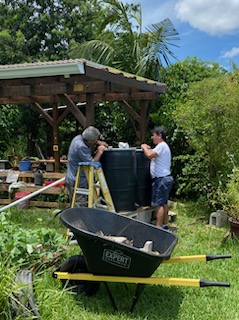
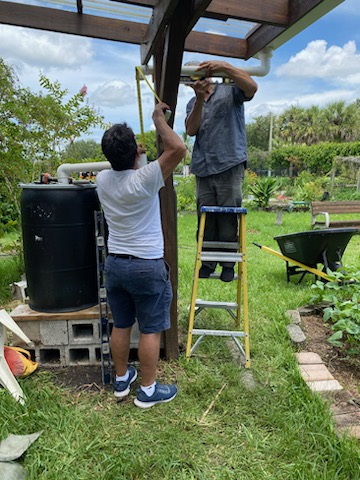
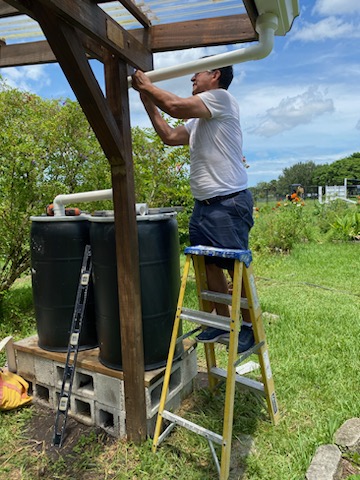
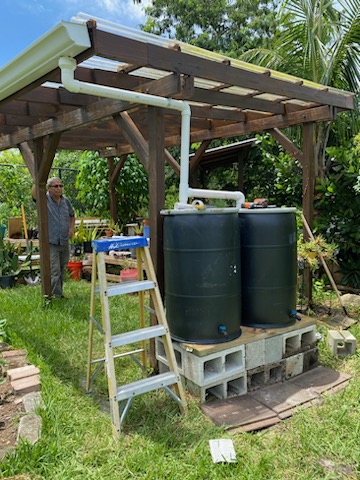
Perfect timing! The rainy season is still upon us and due to the excellent work of Alberto and his brother, we now are now able to collect rainwater for the dry season. This project has been in the works for a while, and thanks to them, is finally completed.
It is so hot and rainy in the summer that it is hard on plants and people to be in the garden. There are plants that thrive in this climate that you can grow during the hot, humid summer months.
Okra
Easy to germinate and grow, there are many varieties of okra. Cook in soups or eat it raw. Just remember to pick it before it gets too big and tough. Plant heirloom varieties and save the seeds for next summer! Clemson spineless is an reliable heirloom okra.
Sweet Potatoes
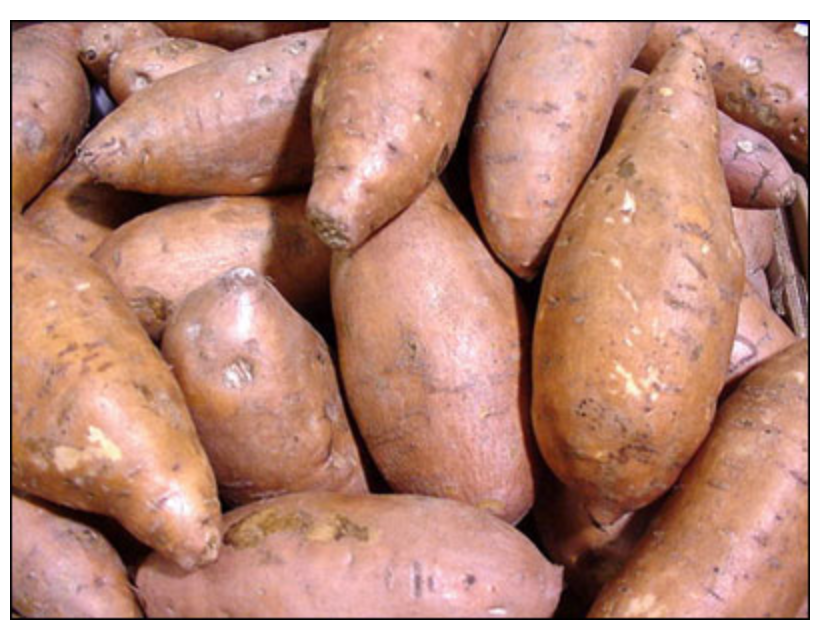
An easy summer favorite, sweet potatoes do not need a lot of attention. They may take 3 or 4 months depending on the variety. Use lots of compost and fertilize lightly once or twice. Some good choices are Beauregard and Centennial which are vining types of sweet potato.
Spinach and Greens
There are many varieties of spinach vegetables that you can grow in the South Florida heat such as Malabar, sissoo, longevity and Okinawa spinach. Other heat tolerant greens include chaya, katuk, moringa and galanga. These plants need very little care during the hot, humid summer but will provide nutritious food for your summer enjoyment!
Summer Cover Crops
Sunn Hemp, black velvet beans and buckwheat are excellent crops to grow to improve your soil and add biomass to areas of your garden that will not be growing plants over the summer. Their benefits include fighting root knot nematodes, fixing nitrogen, and as they are cut and drop crops, they will add organic matter to improve your soil for the next season.




















 Rotary Community Garden and Food Forest of Coral Springs